 EN
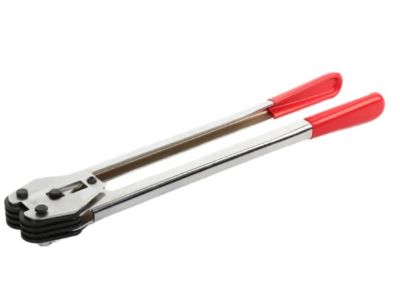
Metal band cutters are essential tools used in the manufacturing and shipping industries to securely cut metal strapping, ensuring that products remain tightly bound during transit. For B2B buyers such as purchasing managers, distributors, and engineers, understanding the nuances of metal band cutters such as their specifications, performance, and common issues is vital for making informed purchasing decisions. This article will provide insights into sourcing reliable suppliers, common operational challenges, tips for contractors, cost factors, and the impact of material choices on performance.
Common Problems When Using Metal Band Cutters and Their Solutions
Metal band cutters can encounter several issues that may affect operational efficiency. One common problem is dull blades, which can lead to uneven cuts and increased effort required during use. Regular maintenance, including blade sharpening or replacement, is essential to ensure consistent performance.
Another issue is misalignment during cutting, which can occur when the cutter is not properly calibrated or when the metal band is not positioned correctly. To mitigate this risk, operators should be trained on proper setup techniques and regularly inspect equipment for wear and tear.
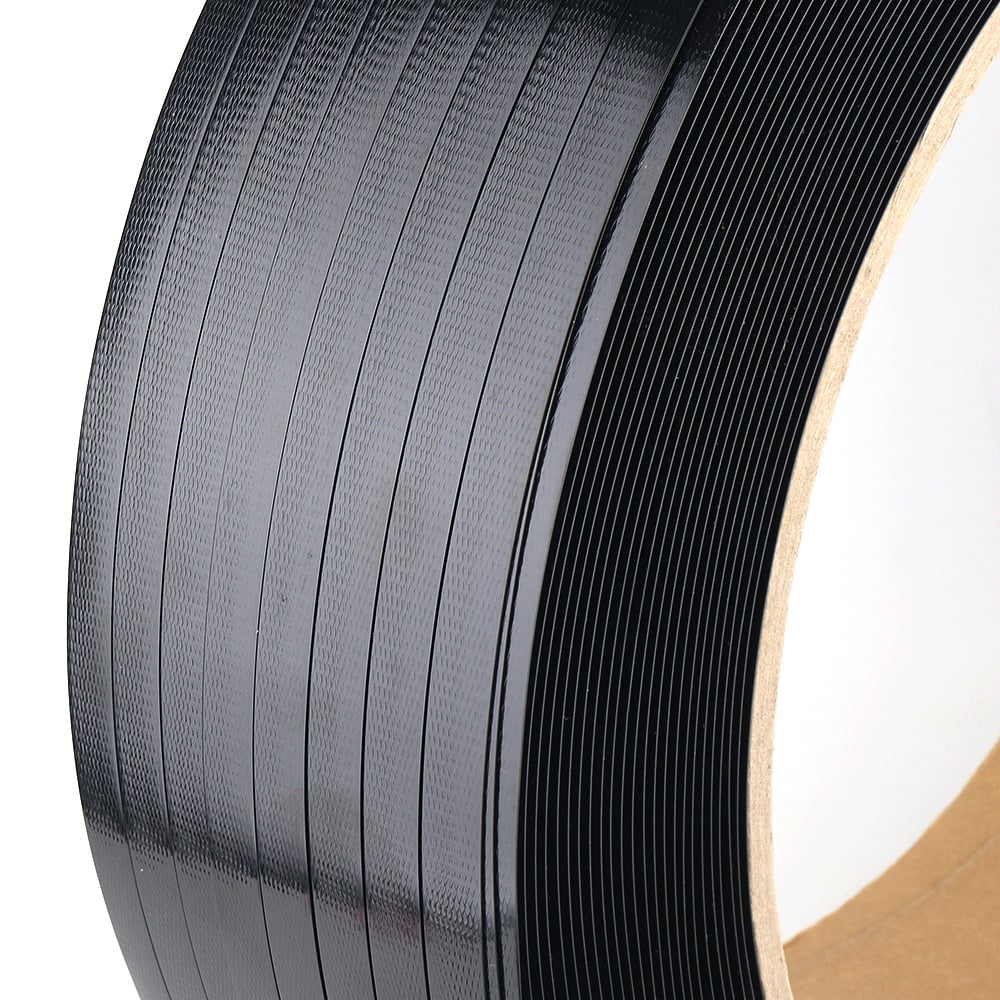
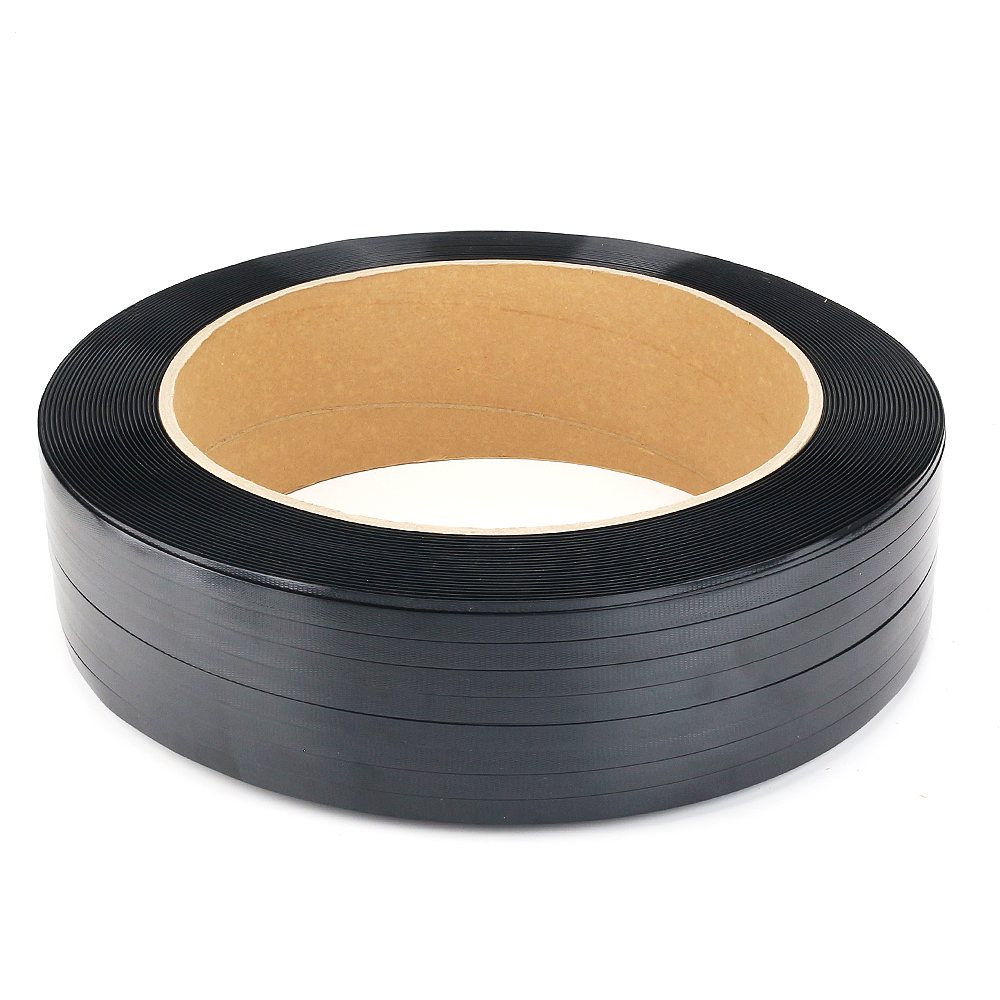
Lastly, users may face challenges with the compatibility of cutters with different strapping materials. Metal band cutters designed for specific thicknesses or material types may not perform well with others. It's advisable to confirm the compatibility of your chosen cutter with the strapping material being used to avoid operational disruptions.