
 EN
EN
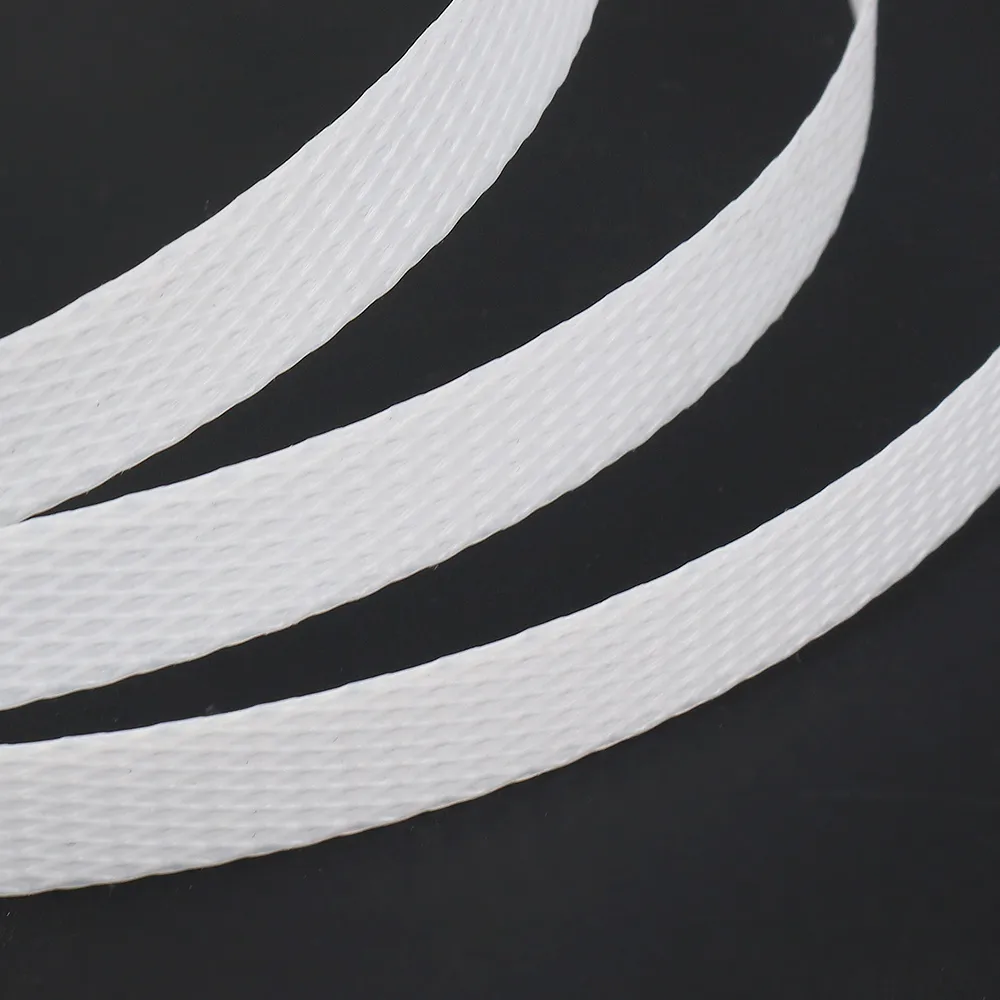
The thickness of your PP strap in low stress applications is essential because this choice impacts the efficacy and dependability of your packaging needs
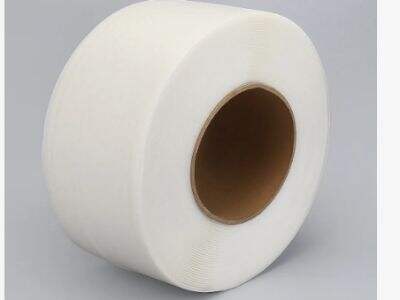
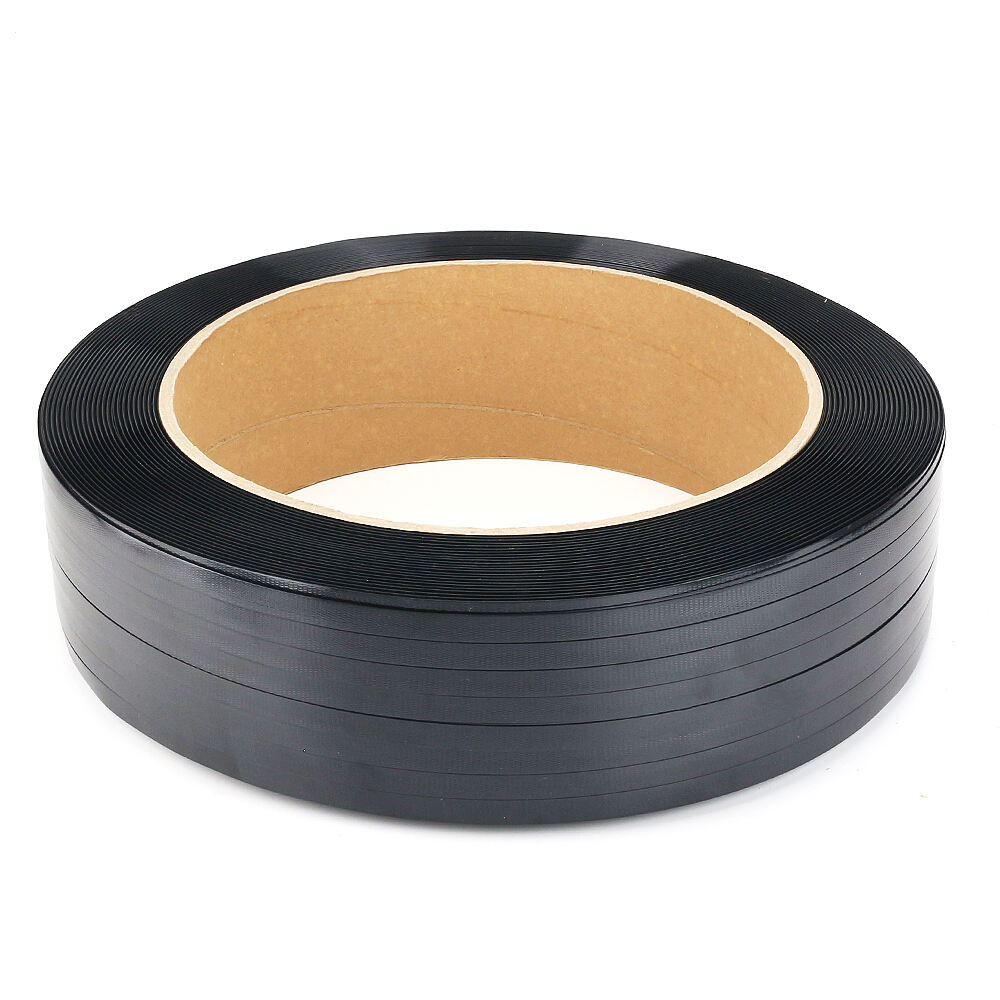
PP strap :Polypropylene (PP) strap is mainly used in packaging for strapping boxes and pallets. One of the most important aspects that have to be taken into consideration here is that the width of the PP strap will play a significant role in determining its strength and durability
So, it becomes important to understand when and why should it become thicker or thinner of PP strap for lower stress applications
PP strap thickness can affect the overall strength and durability of the packaging. A thinner strap pp is suitable in low-stress applications, the weight of your packaged goods should be considered. However, in high-stress applications where the weight of your product is quite heavy, a thicker strap has to be needed to do this
Some things to keep in mind of the perfect type of thickness for low-stress packaging includes how heavy the items are you are packing, what sizes the boxes or pallets will be, and how they are transported. A less thickness strap acceptable if the packaged object is of low weight and is not very fragile. However, if the objects you plan to wrap are heavier or more delicate, it may be necessary to use relatively thicker and stronger straps to make sure that the packing is safer even after being transported from one place or another
Knowing the benefits of having particular thickness in your PP strap needs can help you make a choice
Slim ones are usually quite flimsy, and they snap very easily, and that renders them perfect for the smaller packages. Thicker straps, however, are usually stronger and more durable, giving you a more robust support system to workout with when carrying heavier items. However, by carefully considering the benefits offered by each thickness, you can be sure that you make the right selection for your individual packaging needs
Identifying the best caliper thickness for your low-impact packaging needs will require an evaluation of a few things specific to your packing operation. Take size and weight of items to be packaged, way of transportation and the necessaire level of protection under consideration. When drowning your choice, consider these factors to end up choosing the right thickness of PP strap that best satisfies your demands
This will need regular checks on all packaging to see there are no signs of wear and tear which continue to compromise them
Promptly replace the straps when they show signs of wear or damage to avoid risking the packaging security. In the same way, train your employees to prevent strapping damage during packaging
So, there you have it, a proper PP strap in low stress applications vary on its thickness as these choices are vital to the efficiency and reliability of packaging needs. By recognizing the necessity of thickness, looking into crucial factors, weighing in on benefits and detriments of various thicknesses, choosing an ideal thickness for you as well as following certain tips to optimize performance, you will be able to choose the perfect PP strap-thickness that fits your individual needs. You can rely on them to provide you with the most secure and reliable business requirements through the best quality thickness Enjoy Packaging
Table of Contents
- The thickness of your PP strap in low stress applications is essential because this choice impacts the efficacy and dependability of your packaging needs
- So, it becomes important to understand when and why should it become thicker or thinner of PP strap for lower stress applications
- Knowing the benefits of having particular thickness in your PP strap needs can help you make a choice
- This will need regular checks on all packaging to see there are no signs of wear and tear which continue to compromise them