
 EN
EN
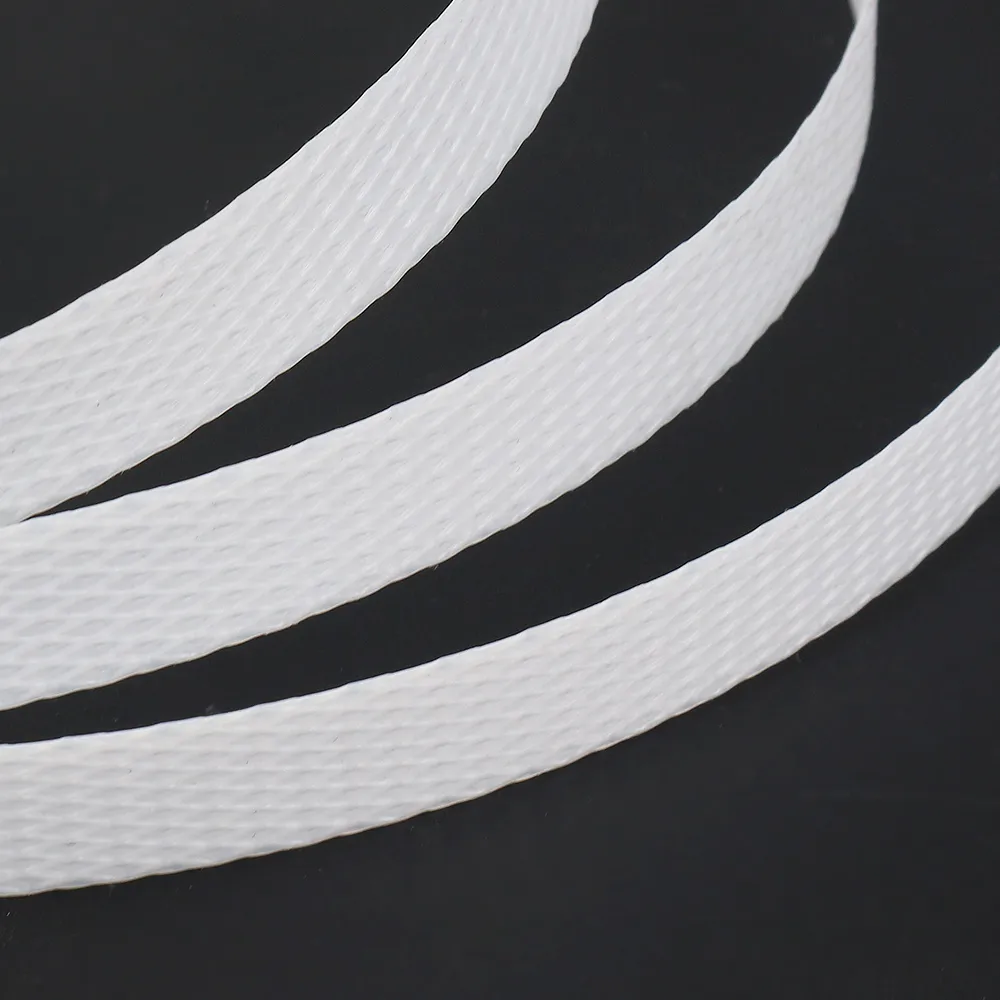
The secret to cost-effective packaging lies in a reliable PP strap. As a B2B buyer, understanding the benefits and specifications of pp strap tensioner is essential for making informed purchasing decisions. This article will help you navigate the critical factors to consider when sourcing PP straps, ensuring you choose a solution that meets your operational needs while optimizing your packaging costs.
What to Consider When Choosing Reliable PP Straps for Packaging?
When selecting reliable PP straps for packaging, buyers should focus on several key criteria: strength, elasticity, and weather resistance. The strap's tensile strength is crucial, as it determines how much weight it can securely hold without breaking. For example, if you're packaging heavy goods, opting for a strap with a higher tensile strength is essential to prevent failures during transit.
Elasticity is another important factor. A strap that is too rigid may snap under stress, while one that is overly elastic may not provide the necessary support. It’s advisable to find a balance that suits your application. Additionally, consider the environmental conditions your products will face. If your products are exposed to moisture or extreme temperatures, selecting a weather-resistant PP strap will ensure durability.
Additionally, understanding the production process is vital. The polypropylene pp strapping manufactured under strict quality control protocols, like those at Enjoy Packaging, provide consistent performance that can be trusted across various applications.
Where to Find Wholesale PP Strap Suppliers for Bulk Orders?
Finding reliable wholesale suppliers for PP straps can significantly impact your packaging operations. Start by researching manufacturers with a proven track record in the industry. Look for suppliers who specialize in high-quality PP strapping and can demonstrate strong manufacturing capabilities.
Online B2B marketplaces can be a good initial touchpoint, but ensure any supplier you consider has the necessary certifications and quality control processes in place. It's advisable to request samples before committing to larger orders, as this allows you to assess the strap's performance in your specific application.
Networking within industry trade shows or forums can also provide valuable leads on reputable suppliers. When reaching out to potential suppliers, have your specifications ready, including dimensions, tensile strength, and any customization requirements to ensure they can meet your needs.
Key Specifications to Compare in PP Strapping Solutions
When comparing PP strapping solutions, several specifications warrant attention:
Thickness: This affects both the strength and flexibility of the strap. Thicker straps typically offer greater tensile strength, but may also increase costs.
Width: The width can influence the strap's ability to secure your products. Wider straps distribute pressure more evenly, which can be particularly important for securing bulky or heavy items.
Tensile Strength: As mentioned, this is a critical factor in determining how much weight a strap can hold without breaking. Compare the tensile strength ratings across different suppliers to find a strap that meets your needs.
Elongation: This indicates how much a strap can stretch before breaking. A strap with higher elongation may be better suited for applications requiring flexibility during transport.
Coating: Some straps come with a coating that provides additional protection against environmental factors. If your application involves exposure to moisture or chemicals, consider a coated strap for enhanced durability.
Understanding these specifications will help you evaluate different products effectively, ensuring you select the most suitable PP strap for your application.
Common Problems with Packaging and How PP Straps Solve Them?
Many common packaging problems can be effectively mitigated by using high-quality PP straps. One frequent issue is the shifting or damage of goods during transit. Reliable PP strapping provides stability and security, significantly reducing the risk of product movement. This is particularly crucial in industries where product integrity is paramount, such as pharmaceuticals or electronics.
Another common challenge is the risk of strap breakage under stress. By selecting straps with appropriate tensile strength and elasticity, you can minimize breakage incidents, leading to fewer damages and losses.
Additionally, poor-quality strapping can lead to increased labor costs due to the need for frequent replacements or adjustments. Investing in dependable PP straps reduces the frequency of re-strapping, saving both time and money in the long run.
The Advantages of Using Recycled Materials in PP Straps
One of the key advantages of PP straps made from recycled materials is their environmental impact. By choosing recycled strapping, businesses contribute to sustainability efforts by reducing plastic waste and promoting a circular economy. This is especially important for companies looking to enhance their corporate social responsibility (CSR) profile.
Recycled PP straps can also offer comparable strength and durability to those made from virgin materials, ensuring that performance is not compromised. The production process used by Enjoy Packaging emphasizes quality control, ensuring that recycled materials meet the same high standards as traditional materials.
Moreover, opting for recycled materials can lead to cost savings. The use of recycled inputs often reduces overall production costs, which can be reflected in lower prices for buyers. This makes recycled pp strapping band an economically viable choice, as well as an environmentally responsible one.
In summary, making informed decisions when selecting PP straps can significantly enhance your packaging processes. By focusing on the right specifications, sourcing from reliable suppliers, and considering the benefits of recycled materials, you can achieve both cost-effectiveness and operational efficiency in your packaging solutions.