
 EN
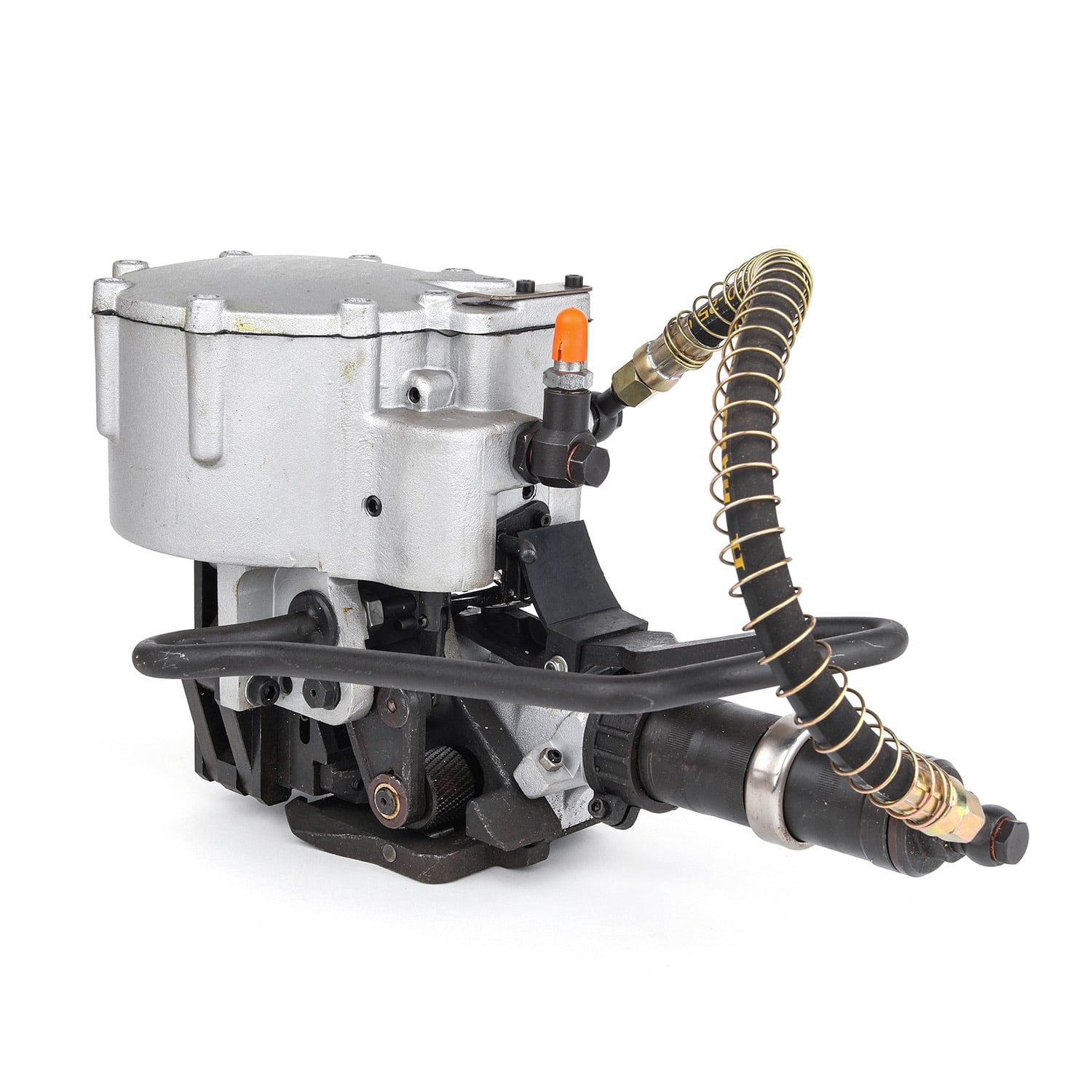
The shift toward automated strapping machines in logistics packaging is transforming the way goods are secured for transit. These machines not only enhance efficiency but also address critical concerns such as reliability, consistency, and cost-effectiveness. As B2B buyers navigate this evolution, understanding the key specifications, benefits, and installation considerations of automated strapping machines becomes paramount to making informed purchasing decisions.
Key Specifications of Automated Strapping Machines for Efficient Packaging
When evaluating automated strapping machines, several key specifications must be considered to ensure optimal performance in your packaging operations. Firstly, the strapping speed is crucial; higher speeds can significantly reduce cycle times, thereby increasing productivity. Typical strapping tool speeds range from 30 to 60 straps per minute, depending on the machine model.
Next, the type of strapping material is essential. Automated machines can use polypropylene (PP) and polyethylene terephthalate (PET) materials, each offering unique advantages. PP strapping is lightweight and cost-effective, making it suitable for lighter packages, while PET strapping, known for its superior strength and durability, is ideal for heavier loads. The selection of strapping supply material should correspond to the weight and nature of the goods being packaged.
Additionally, machine dimensions, including the size of the arch and the maximum load capacity, play a vital role. A machine's arch size must accommodate the dimensions of the products being strapped, while the load capacity should be assessed based on the heaviest items being processed. Furthermore, the machine's compatibility with existing production lines and ease of integration with other equipment can enhance operational efficiency.
Reliable Suppliers of Automated Strapping Solutions
Choosing a reliable supplier for automated strapping solutions is critical to ensuring the longevity and performance of your investment. Look for manufacturers with proven expertise in strapping technology and a track record of delivering consistent quality. For instance, Enjoy Packaging specializes in producing high-quality PP and PET strapping bands from recycled materials, ensuring both sustainability and durability.
When evaluating potential suppliers, consider their manufacturing capabilities, including the technology used and the quality control processes in place. Advanced production lines with continuous inspection can significantly reduce the risk of defects and ensure that the strapping materials meet industry standards. Additionally, inquire about the supplier's ability to provide customization options to tailor the strapping solutions to your specific needs.
Don't overlook the importance of after-sales support and service. A dependable supplier should offer maintenance services, training for your staff on machine operation, and readily available spare parts to minimize downtime.
How Automated Strapping Machines Improve Packaging Efficiency and Quality?
Automated strapping machines enhance packaging efficiency by minimizing manual labor and reducing the potential for human error. With automation, strapping processes can be executed with greater speed and precision, leading to improved throughput. As a result, businesses can achieve higher output levels, which is particularly beneficial in high-volume operations.
Moreover, automated machines offer consistent strapping tension, which is crucial for maintaining package integrity during transit. Inconsistent tension can lead to packages being either too loose, risking damage, or too tight, potentially crushing the contents. Automated systems allow for precise adjustments to be made based on the type of product being strapped, thus ensuring optimal protection.
Additionally, the use of automated strapping can streamline the overall packaging workflow. By integrating these machines into your production line, you can reduce the time spent on manual strapping, allowing workers to focus on other value-added tasks. This increase in operational efficiency not only enhances productivity but also contributes to cost savings in the long run.
Automated Strapping Machines vs. Manual Solutions
When comparing automated strapping machines to manual solutions, the differences in efficiency, labor costs, and consistency become evident. Manual strapping relies heavily on human labor, which can lead to variations in strapping quality and increased labor costs over time. In contrast, automated machines provide a standardized process that eliminates inconsistencies and reduces the risk of errors.
While the initial investment in automated systems may be higher, the long-term benefits often outweigh these costs. Automated machines can quickly pay for themselves through increased productivity, reduced labor costs, and lower material waste. Additionally, they often require less physical space compared to manual setups, allowing for better use of your facility.
It's important to assess the specific needs of your operation when deciding between automated and manual solutions. Factors such as production volume, the complexity of the packaging process, and the types of products being handled will influence your choice. For companies handling a high volume of packages, automated strapping is typically the more efficient option.
Installation Guidance for Automated Strapping Machines in Your Facility
Proper installation of automated strapping machines is essential for achieving optimal performance. Begin by evaluating your facility layout to ensure that there is adequate space for the machine, including room for operator access and maintenance. Consider the flow of materials through your production line and position the machine accordingly to minimize disruptions.
Before installation, review the machine’s specifications to ensure compatibility with your existing systems. This includes assessing power requirements and ensuring that the machine's dimensions fit within your designated space. Additionally, check for any necessary adjustments to your production line to accommodate the new equipment, such as conveyor modifications.
Once the machine is installed, thorough training for your operators is crucial. Proper training ensures that staff can operate the machine efficiently and safely. Furthermore, implementing a regular maintenance schedule will help prolong the machine's lifespan and maintain its performance. This may include routine inspections, cleaning, and addressing any wear and tear promptly.
The shift toward automated strapping machines in logistics packaging presents significant advantages for B2B buyers. By understanding the specifications, benefits, and installation considerations, businesses can make informed decisions that enhance their packaging efficiency and quality. For those looking to invest in automated solutions, partnering with a reliable suppliers like Enjoy Packaging can ensure access to high-quality materials and expertise to support your operational goals.
Table of Contents
- Key Specifications of Automated Strapping Machines for Efficient Packaging
- Reliable Suppliers of Automated Strapping Solutions
- How Automated Strapping Machines Improve Packaging Efficiency and Quality?
- Automated Strapping Machines vs. Manual Solutions
- Installation Guidance for Automated Strapping Machines in Your Facility