
 EN
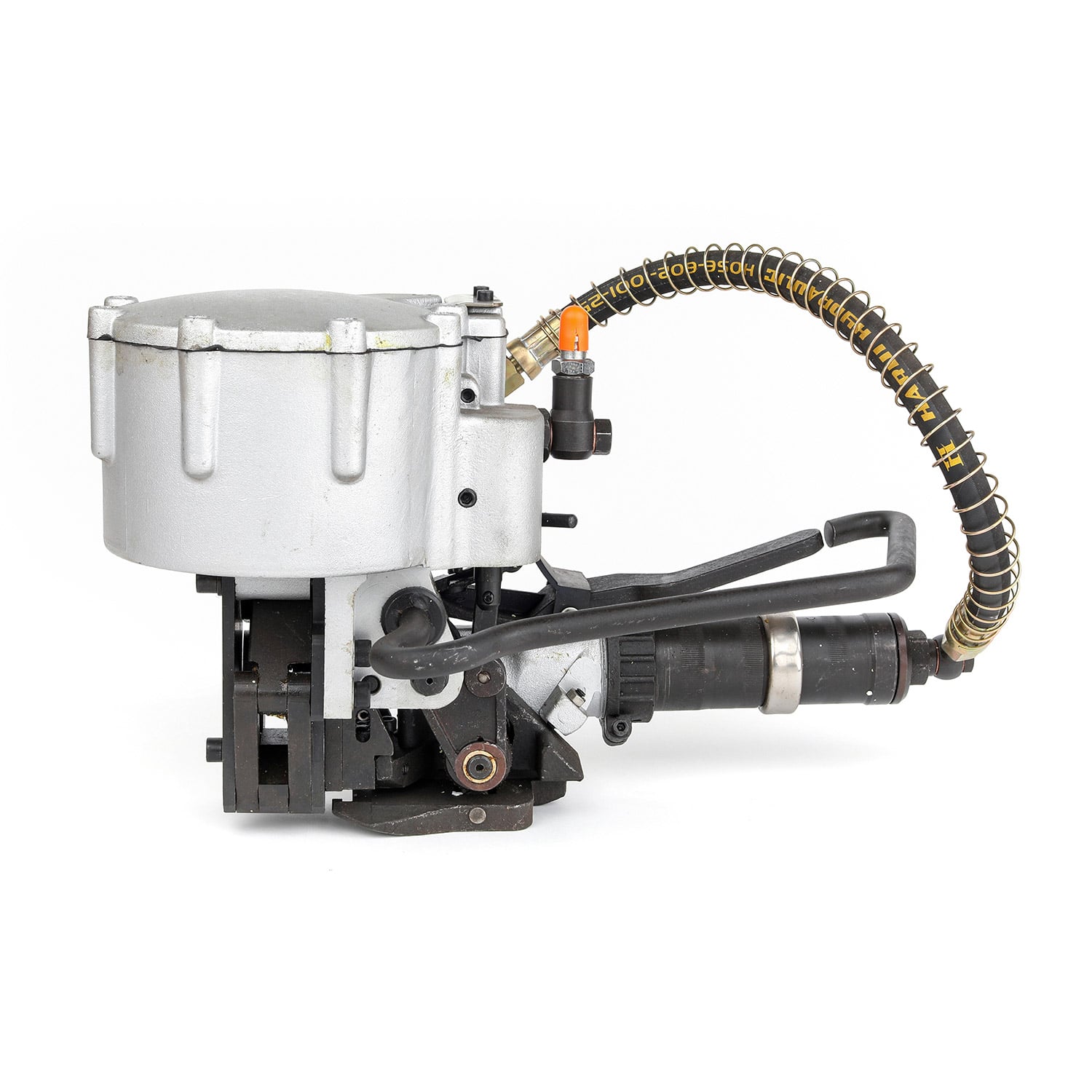
The modern steel strapping machine offers a space-saving design that is essential for manufacturers looking to optimize their production and storage areas. These machines are not only compact but also designed to enhance efficiency and reliability in securing goods during transit. For purchasing managers and distributors, the primary concerns often revolve around machine specifications, compatibility with existing processes, and overall operational efficiency. This article will provide essential insights on choosing the right steel strapping machine, focusing on key specifications, quality control measures, installation guidance and common troubleshooting tips.
What to Consider When Choosing a Space-Saving Steel Strapping Machine?
When selecting a space-saving steel strapping machine, several factors must be evaluated to ensure it meets your operational needs. First, consider the machine's dimensions and design. A compact design can significantly reduce the footprint on the production floor, which is crucial for companies with limited space. Next, assess the machine's strapping capabilities. This includes the types of materials it can handle, such as polypropylene (PP) or polyester (PET) strapping, and the thickness and width limits of the strapping. A machine that accommodates various strap sizes offers flexibility for different packaging needs. Additionally, evaluate the space-saving steel strapping machine machine's speed and efficiency. A higher pneumatic steel strapping tool speed can enhance productivity, particularly in high-volume applications. Ensure that the machine is compatible with your existing production lines and equipment, as integration challenges can lead to operational delays and increased costs.
Key Specifications of Modern Steel Strapping Machines for Buyers
Understanding the key specifications of steel strapping machines is crucial for making an informed purchase. Some primary specifications to consider include:
Strapping Speed: Measured in straps per minute, this determines how quickly the machine can secure packages. A higher speed is beneficial for high-volume operations.
Strap Width and Thickness: Different applications may require various strap dimensions. Ensure the machine can accommodate your specific strapping needs, typically ranging from 12 mm to 19 mm in width and 0.5 mm to 1.0 mm in thickness.
Tensioning Force: This indicates the strength of the strap application. The appropriate tension is essential to secure the product without damaging it. Buyers should verify that the pneumatic steel strapping machine can adjust tension settings according to different product types.
Power Source: Machines can be pneumatic, electric, or battery-operated. The choice depends on your operational environment and available resources. Electric machines often provide consistent performance, while pneumatic options may be preferred in environments with limited electrical access.
Safety Features: Look for machines equipped with safety mechanisms to protect operators during use. This includes emergency stop buttons, protective shields, and sensors to prevent feeds.
How Quality Control Ensures Reliable Steel Strapping Performance?
Quality control is a fundamental aspect of ensuring the reliable performance of steel strapping machines. At Enjoy Packaging, we implement a strict inspection process throughout the manufacturing cycle to guarantee consistent quality. Buyers should ensure that their potential suppliers have a robust quality assurance program in place.
Key quality control measures include:
Material Inspection: The quality of strap materials directly affects performance. Regular checks on the tensile strength and elasticity of the straps ensure they meet the required standards.
Machine Calibration: Regular calibration of machines is vital to maintain accuracy in strap tensioning and sealing. This reduces the risk of product damage and enhances overall efficiency.
Performance Testing: Before deployment, pneumatic tensioner for steel strapping should undergo performance tests to evaluate their operational capabilities under real-world conditions. This helps identify any potential issues before they affect production.
User Feedback: Engaging with operators for feedback on machine performance can provide insights into areas needing improvement, ensuring that any operational problems are addressed promptly.
Installation Guidance for Efficient Use of Steel Strapping Machines
Proper installation of steel strapping machines is critical for maximizing efficiency and ensuring safe operation. Here are essential steps and considerations for installation:
Site Preparation: Ensure the installation area is clean, dry, and free from obstructions. The floor should be level to prevent operational issues.
Power Supply: Confirm that the necessary power supply is available, and that it meets the machine's requirements. This includes checking voltage and amperage to prevent electrical issues.
Machine Positioning: Position the machine where it can easily integrate into your existing workflow. Consider the flow of materials to and from the machine to minimize handling.
Operator Training: Training for operators is vital to ensure they are familiar with the machine's functions and safety features. This will reduce the risk of accidents and improve overall productivity.
Routine Maintenance: Establish a maintenance schedule to keep the machine in optimal condition. Regular checks can identify wear and tear issues before they lead to significant downtime.
Common Problems with Steel Strapping Machines and Their Solutions
Like any equipment, steel strapping machines can encounter issues that may disrupt operations. Being aware of common problems and their solutions can help minimize downtime:
Strap Misfeeds: This can occur due to improper loading or worn feed rollers. Regularly inspect the feed system and ensure proper loading techniques are followed.
Incorrect Tensioning: If straps are too loose or too tight, it may lead to product damage. Adjust the tension settings according to the material being strapped, and ensure that the machine is calibrated correctly.
Seal Failures: If seals are not holding, check the sealing mechanism and ensure that the correct strap type and size are being used. Regular maintenance of the sealing components can prevent this issue.
Electrical Failures: Machines may experience electrical issues due to power fluctuations. Ensuring a stable power supply and performing routine electrical inspections can mitigate this risk.
By understanding these common problems and their solutions, purchasing managers can better prepare for maintenance needs and operational challenges. In summary, selecting and utilizing a space-saving steel strapping space-saving steel strapping machine requires careful consideration of specifications quality control, installation practices, and potential operational issues. By equipping your team with this knowledge you can enhance efficiency, ensure product safety, and streamline your packaging processes.
Table of Contents
- What to Consider When Choosing a Space-Saving Steel Strapping Machine?
- Key Specifications of Modern Steel Strapping Machines for Buyers
- How Quality Control Ensures Reliable Steel Strapping Performance?
- Installation Guidance for Efficient Use of Steel Strapping Machines
- Common Problems with Steel Strapping Machines and Their Solutions