
 EN
EN
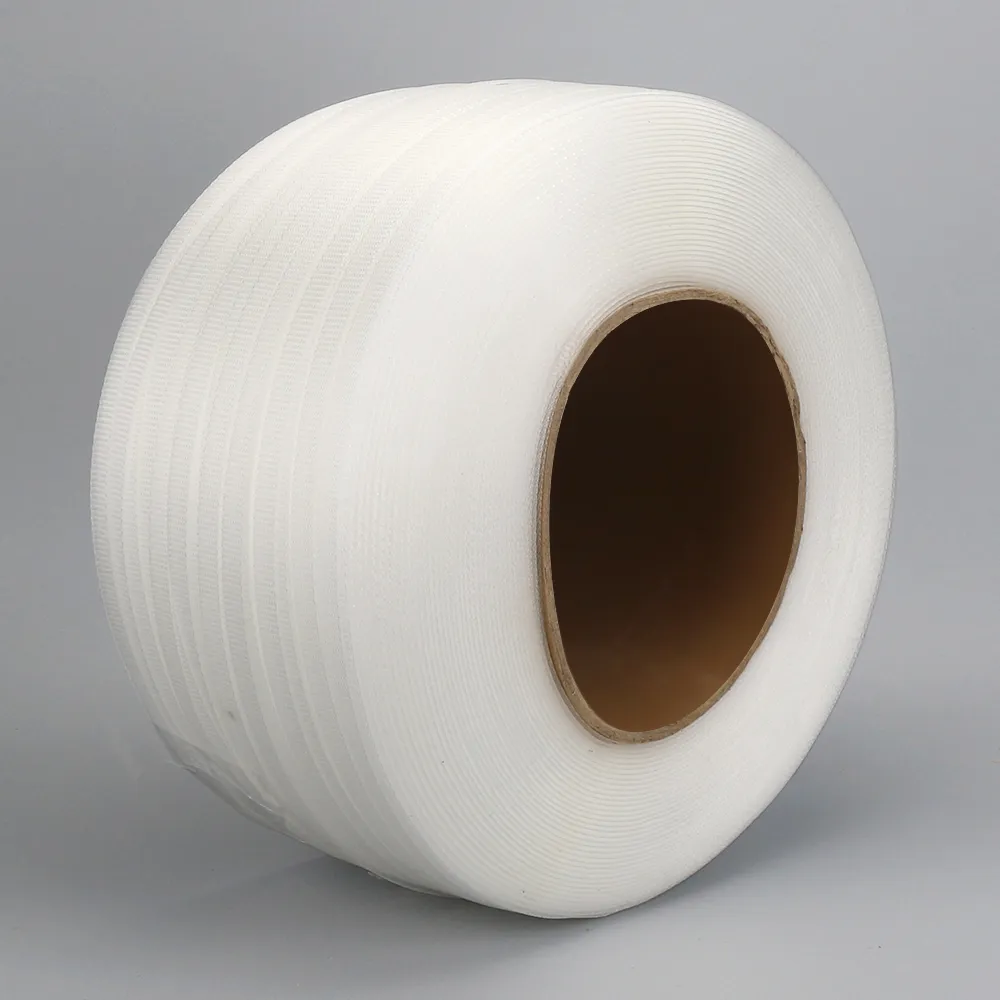
In the evolving landscape of manufacturing and logistics, sustainability has emerged as a critical concern for businesses aiming to enhance their supply chains. This article will delve into the sustainability story behind a modern strapping supply chain, focusing on plastic strapping rolls made from recycled materials. As purchasing managers, distributors, and engineers consider eco-friendly options, understanding the implications of sustainable strapping solutions becomes essential. We'll explore the nuances of assessing quality, cost considerations, installation challenges, and help you determine the best option for your specific needs.
Understanding the Sustainability of Your Strapping Supply Chain
Sustainability in a strapping supply chain involves sourcing materials that minimize environmental impact while maintaining performance standards. At Enjoy Packaging, we manufacture premium plastic strapping rolls from recycled PET and PP materials, derived from recycled bottle flakes. This not only reduces waste but also lowers the carbon footprint associated with new material production.
When evaluating the sustainability of your strapping supply chain, consider the following aspects:
Material Sourcing: Ensure that your strapping tool solutions use recycled materials. This contributes to a circular economy and reduces reliance on virgin plastics.
Production Processes: Look for manufacturers that employ energy-efficient production methods and maintain strict quality control measures. A continuous inspection process, like the one at Enjoy Packaging, ensures that each roll meets performance expectations while adhering to sustainability standards.
End-of-Life Considerations: Assess how the strapping can be disposed of or recycled after its use. Biodegradable options or those that can be reprocessed will contribute positively to your sustainability goals.
By prioritizing these factors, you can enhance the sustainability of your supply chain while ensuring that your strapping solutions remain effective and reliable.
How to Evaluate the Quality of Recycled Plastic Strapping?
Quality evaluation of recycled plastic strapping is crucial to ensure durability and performance during transit. Here are key factors to consider:
Material Composition: Verify the percentage of recycled content in the strapping. Higher recycled content usually indicates a more sustainable product, but it should also meet industry standards for strength and performance.
Testing and Certifications: Look for strapping that has undergone rigorous testing to confirm its load-bearing capacity and resistance to environmental factors. Certifications from recognized bodies can also serve as a benchmark for quality assurance.
Sample Approval: Before placing bulk orders, request samples to test under actual operating conditions. This allows you to assess the strapping's performance in real-world applications, including tensioning and securing capabilities.
By focusing on these quality indicators, you can ensure that the recycled plastic strapping you choose will meet your operational needs without compromising on performance.
Cost Considerations When Sourcing Eco-Friendly Strapping
While eco-friendly strapping options are increasingly popular, cost considerations remain a significant factor for purchasing managers. Here are essential points to keep in mind:
Initial Investment vs. Long-Term Savings: Although recycled plastic strapping may have a higher upfront cost compared to traditional options, the benefits of reduced waste and improved sustainability can lead to long-term savings. Evaluate the total cost of ownership rather than just the initial purchase price.
Volatility of Material Costs: The price of recycled materials can fluctuate based on market demand and supply chain disruptions. Understanding these dynamics can help you make informed purchasing decisions and negotiate better terms with suppliers.
Minimum Order Quantities (MOQs): Some manufacturers may impose MOQs for eco-friendly combo strapping tool. Assess your volume requirements and align them with the supplier's policies to avoid excess inventory costs.
By considering these cost factors, you can make a more informed decision that balances sustainability with budget constraints.
Common Installation Challenges with Plastic Strapping Solutions
Installing plastic strapping solutions can present several challenges, especially when transitioning to recycled materials. Here are common issues and suggestions for overcoming them:
Tensioning Issues: Recycled strapping may have different tensioning characteristics compared to traditional materials. Ensure that your installation equipment is compatible with the strapping type you choose and that operators are trained to adjust tension settings accordingly.
Sealing Techniques: The sealing process can vary depending on the strapping material. Make sure to use the appropriate seals or tools designed for recycled strapping to ensure a secure hold during transit.
Environmental Factors: Recycled plastics can behave differently under extreme temperatures or moisture conditions. Conduct trials to verify that the strapping maintains its integrity in your specific operational environment.
By addressing these common challenges, you can enhance the efficiency of your strapping installation process and ensure reliable performance.
Which Is Best for You?
Choosing the right strapping solution for your needs involves a careful assessment of your operational requirements and environmental goals. Here are some considerations to guide your decision:
Application Compatibility: Different strapping types (PP vs. PET) have unique properties. For example, PP strapping is often more flexible and suitable for light- to medium-weight applications, while PET offers higher strength and is ideal for heavier loads. Evaluate the specific needs of your application to select the appropriate type.
Customization Options: Depending on your branding or operational requirements, you may need customized strapping solutions. Discuss options with your supplier to find a product that meets your unique specifications, such as color, width, or tensile strength.
Supplier Credentials: Partner with manufacturers who have a proven track record in producing high-quality, sustainable strapping solutions. Investigate their production capabilities, quality control processes, and customer feedback to ensure you are making an informed choice.
By considering these factors, you can select a strapping solution that aligns with your sustainability goals, operational needs, and budgetary constraints, ultimately enhancing your supply chain's effectiveness.