
 EN
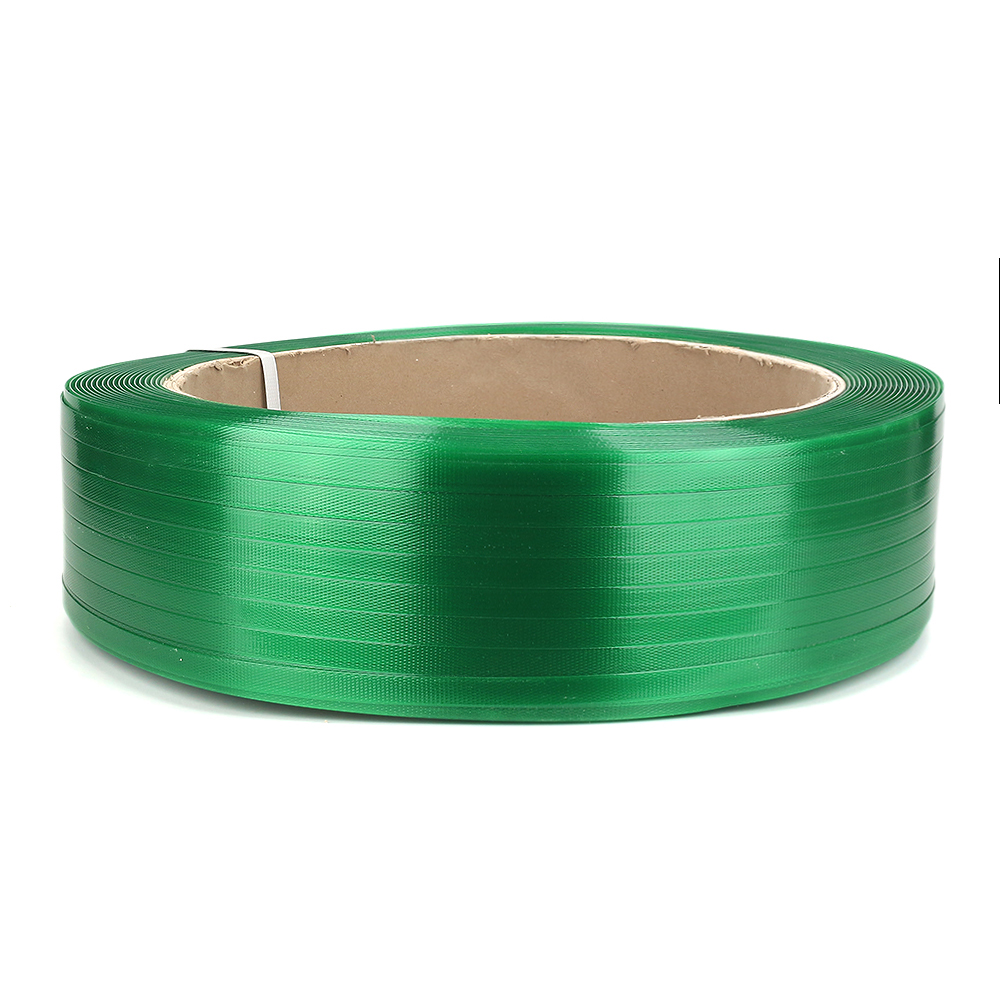
Understanding why PET strapping rolls slip or break inside the feeder is crucial for ensuring smooth operations in manufacturing and packaging environments. These issues can lead to costly downtime and material waste, affecting overall productivity. This article will explore the common causes of slippage and breakage, providing insights that help purchasing managers and operational engineers select the right strapping solutions and implement effective prevention strategies.
Understanding Why PET Strapping Rolls Slip in Feeder Applications
PET strapping roll are designed for high performance in securing goods during transit. However, slippage inside feeders can occur due to several reasons. One primary factor is the improper alignment of the strapping roll within the feeder mechanism. When the roll is not correctly positioned, it can lead to uneven tension, causing the strap to slip rather than feed smoothly.
Another common issue is related to the friction between the strapping and feeder components. If the feeder system is not adequately maintained or if it uses incompatible materials, the grip on the PET strap may diminish, leading to slippage. Additionally, environmental factors such as humidity and temperature can also affect the strapping's performance. For instance, high humidity can cause the strap to absorb moisture, altering its structural integrity and leading to slippage.
To mitigate these issues, it's essential to regularly inspect and maintain feeder systems, ensuring that they are clean, aligned, and compatible with the PET strapping being used.
Common Causes of Breakage in PET Strapping Rolls During Use
Breakage of PET strapping rolls can be attributed to various factors, primarily related to material properties and operational conditions. One significant cause is the use of subpar materials or incorrect specifications. For example, if the strap's thickness is not suitable for the load it is securing, it may lead to premature failure during transit.
Another critical factor is the handling and installation process. Rough handling during installation can create micro-tears in the strapping, which can later lead to breakage under tension. Moreover, improper tension settings can result in excessive stress on the strap, causing it to snap.
Environmental conditions, such as exposure to extreme temperatures or chemical agents, can also weaken PET strapping. It’s vital for buyers to consider these factors and ensure that they are sourcing from reputable manufacturers who maintain rigorous quality control processes, like Enjoy Packaging, which specializes in high-quality PET strapping solutions.
Cost Factors to Consider When Sourcing PET Strapping Rolls
When sourcing polypropylene strapping roll, several cost factors should be taken into account. The initial price of the strapping is just one aspect; buyers must also consider the total cost of ownership. This includes potential costs associated with product failures, such as downtime, material waste, and the need for replacements.
Customization requirements can also impact pricing. Strapping rolls may need to be tailored to specific dimensions or performance characteristics based on the application, which can increase production costs. Additionally, the quantity ordered can affect unit pricing; bulk orders often lead to discounts, but buyers should balance this against their actual usage needs to avoid overstocking.
Freight and shipping costs should not be overlooked either. For international purchases, understanding the implications of tariffs and customs can significantly affect the final cost. Buyers should request detailed quotations that outline these factors to make informed decisions.
Installation Tips for Preventing Slip and Breakage Issues
Proper installation is crucial to the performance of PET strapping rolls and can significantly reduce the risk of slip and breakage. First, ensure that the strapping rolls are compatible with the feeder system. This means checking that the roll diameter, width, and core size match the specifications of the feeder.
During installation, it is important to handle the strapping rolls gently to avoid creating any damage. Inspect the strapping for any visible defects before installation. Once installed, adjust the tension settings carefully. Too much tension can lead to breakage, while too little can cause slippage.
Regular training for staff on proper handling and installation techniques can further minimize risks. A well-informed team will be better equipped to identify potential issues before they escalate into significant problems, thereby enhancing the overall efficiency of operations.
Key Applications for PET Strapping Rolls in the Manufacturing Sector
PP strapping roll are widely used across various sectors in manufacturing, primarily for securing products during transit. Their excellent tensile strength makes them suitable for bundling heavy packages, including pallets, boxes, and manufactured goods.
In the automotive industry, PET strapping is essential for securing parts during shipment, ensuring they arrive intact and ready for assembly. Similarly, in the construction sector, these strapping rolls are used to bundle materials like wood, metal, and insulation for safe transport.
Additionally, PET strapping is becoming increasingly popular in the e-commerce sector, where the need for secure, reliable packaging solutions is paramount. Its lightweight nature helps reduce shipping costs while maintaining the strength required to prevent damage during delivery.
By understanding the various applications of PET strapping rolls, purchasing managers can better assess their needs and select the appropriate solutions for their specific operational requirements, ensuring efficiency and reliability in their supply chains.
Table of Contents
- Understanding Why PET Strapping Rolls Slip in Feeder Applications
- Common Causes of Breakage in PET Strapping Rolls During Use
- Cost Factors to Consider When Sourcing PET Strapping Rolls
- Installation Tips for Preventing Slip and Breakage Issues
- Key Applications for PET Strapping Rolls in the Manufacturing Sector