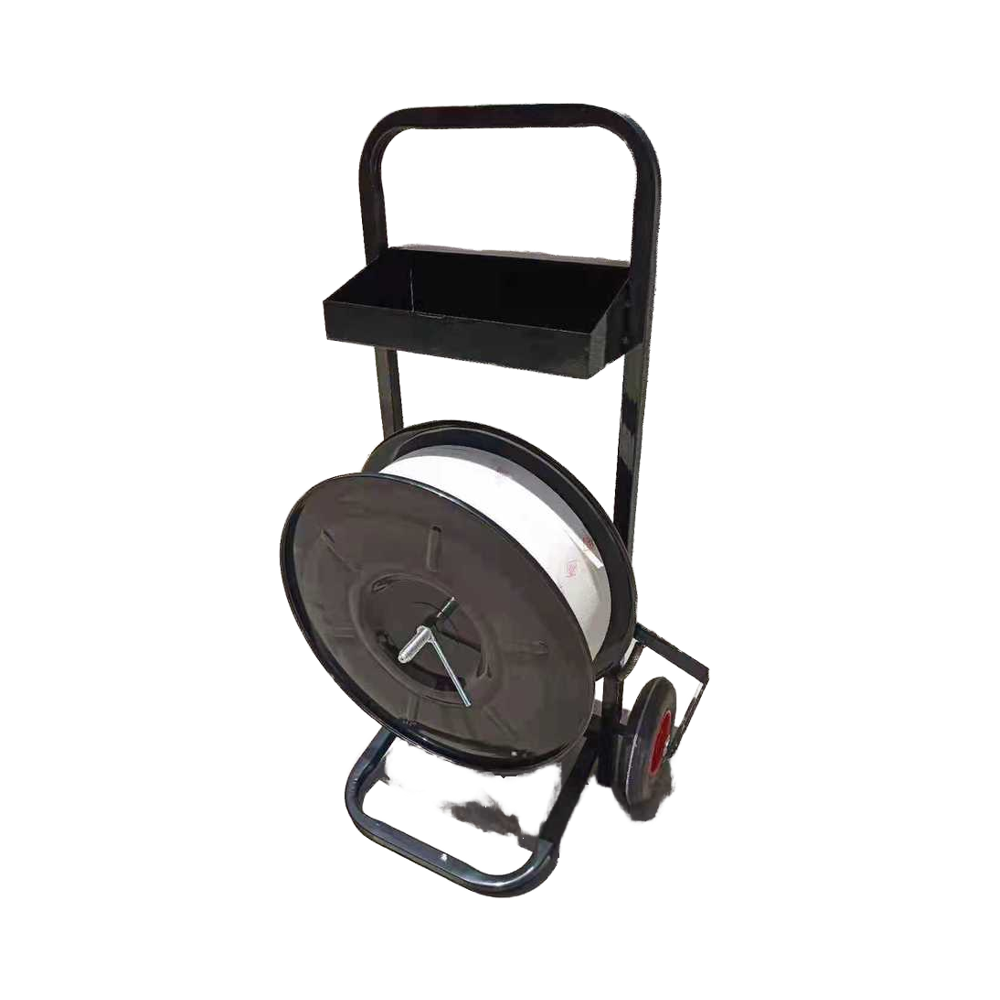
Key Specifications of Polypropylene Strapping

Contact me immediately if you encounter problems!

All Categories

1 2 polypropylene strapping

Polypropylene strapping is a versatile packaging solution widely used in various industries to secure goods during transit. At Enjoy Packaging, we specialize in manufacturing premium plastic strapping rolls made from recycled bottle flakes. Our high-quality polypropylene strapping bands offer durability and stable performance, addressing key concerns for B2B buyers, such as product reliability, cost efficiency, and suitability for specific applications. This article will explore the key specifications, cost-saving opportunities, common installation issues, diverse applications, and comparisons with alternative materials to help buyers make informed decisions.

Cost Savings on Polypropylene Strapping

Investing in high-quality polypropylene strapping can lead to significant cost savings for businesses. One of the main advantages of PP strapping is its lightweight nature, which reduces shipping costs compared to heavier alternatives like steel strapping. Additionally, PP strapping is often more affordable than polyester (PET) strapping, making it a cost-effective option for securing lighter loads. For more information on alternative strapping materials, check out our article on PET strapping.

Furthermore, the durability and reliability of premium polypropylene strapping reduce the likelihood of product damage during transit, minimizing the costs associated with lost or damaged goods. By selecting strapping that can withstand environmental factors and handling stresses, businesses can avoid costly claims and replacements.

Lastly, working with a reputable supplier like Enjoy Packaging can streamline the purchasing process. Our advanced production lines and quality control measures help ensure that buyers receive consistent, high-quality products, reducing the frequency of reorders and associated costs.
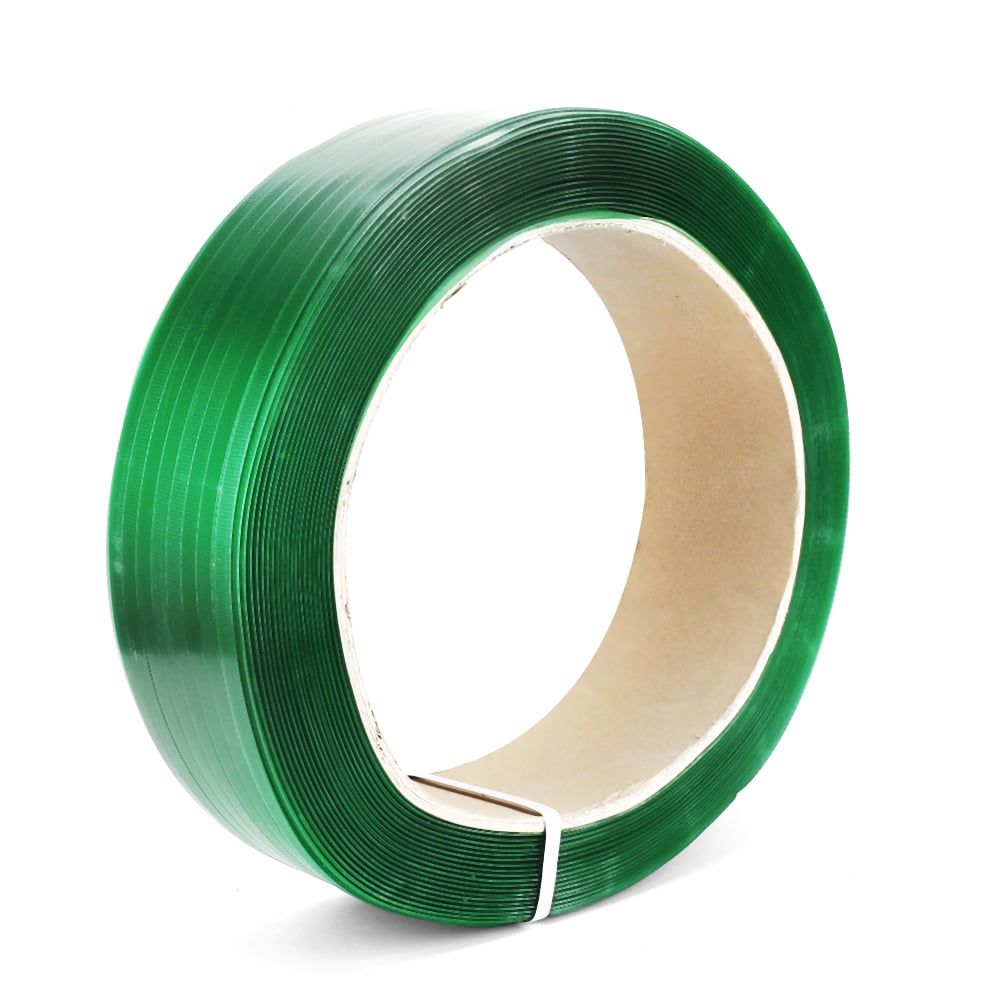
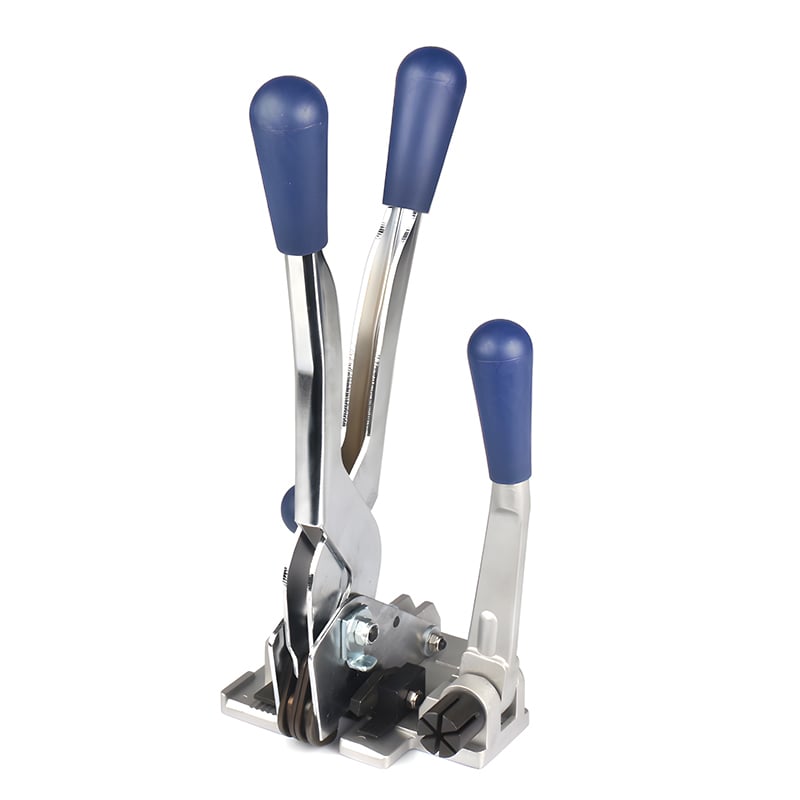
Common Installation Issues with Polypropylene Strapping and Solutions

While polypropylene strapping is easy to use, common installation issues can arise. Understanding these challenges and their solutions can help prevent problems during the securing process.

Incorrect Tensioning: Over-tensioning can lead to strap breakage, while under-tensioning may result in inadequate load security. To mitigate this issue, buyers should ensure that their strapping machines are calibrated correctly and that operators are trained to achieve the right tension for their specific applications.

Improper Sealing: The sealing method (heat seal, friction seal, or buckle) must match the strapping type and application. A weak seal can compromise load integrity. Buyers should test different sealing methods to determine which provides the best results for their specific materials and conditions.

Environmental Factors: Factors such as humidity, temperature, and exposure to chemicals can affect the performance of polypropylene strapping. Buyers should assess their operating environment and select strapping that can withstand these conditions, especially for outdoor applications.

Applications of Polypropylene Strapping in Various Industries

Polypropylene strapping is used across a variety of industries due to its versatility and cost-effectiveness. Some common applications include:

Manufacturing: In manufacturing settings, PP strapping is often used to bundle products, secure pallets, and ensure safe transportation of goods. Its lightweight nature helps reduce overall shipping costs.

Construction: In the construction industry, polypropylene strapping secures materials such as lumber and roofing tiles, providing stability during transport and storage.

Food and Beverage: The food industry benefits from PP strapping's resistance to moisture and ease of cleaning, making it suitable for bundling packages of food products.

Textiles: In the textile industry, PP strapping is used to bundle rolls of fabric or clothing, ensuring they remain intact during shipping and handling. For optimal results, consider using a Strapping tool to enhance the bundling process.

Understanding the specific requirements of each application allows buyers to choose the right type and configuration of polypropylene strapping to meet their needs effectively.

Comparing Polypropylene Strapping to Alternative Materials

When selecting strapping for your products, it's essential to consider the differences between polypropylene and other materials, such as polyester and steel.

Polypropylene (PP): Lightweight and cost-effective, PP strapping is suitable for lighter loads. It is resistant to moisture and UV light, making it an excellent choice for various applications.

Polyester (PET): Heavier than PP, PET strapping offers greater strength and is ideal for heavier loads. However, it comes at a higher price point. For applications requiring maximum load security, PET may be preferred, but buyers should weigh the cost against the benefits.

Steel Strapping: Known for its strength, steel strapping is often used for heavy-duty applications. However, it is heavier, more expensive, and can pose safety risks due to sharp edges. For many applications, PP strapping provides sufficient strength without the drawbacks of steel.

Choosing the right strapping material hinges on factors such as load weight, environmental conditions, and cost considerations. Buyers should evaluate their specific needs before making a decision.

In summary, polypropylene strapping offers a reliable, economical, and versatile solution for securing goods across various industries. By understanding its specifications, potential cost savings, installation challenges, applications, and how it compares to alternative materials, B2B buyers can make informed decisions that enhance their packaging processes.

Key Specifications of High-Quality Polypropylene Strapping

When evaluating polypropylene (PP) strapping, several key specifications are essential for ensuring optimal performance. These include thickness, width, breaking strength, and elongation.

Thickness and Width: These dimensions directly affect the load capacity and compatibility with strapping machines. Thicker straps generally provide better strength and durability. Typical widths range from 5mm to 19mm, and selecting the right size depends on the weight and type of goods being secured.

Breaking Strength: This is a critical specification, indicating the maximum load the strap can handle before breaking. High-quality polypropylene strapping from Enjoy Packaging typically exhibits a breaking strength of 300 to 900 pounds, depending on the thickness and manufacturing process. Buyers should confirm this specification based on their application requirements to prevent product failure during transport.

Elongation: This refers to the strap's ability to stretch under load, which is important for accommodating movement during shipping. A higher elongation percentage allows for better load stabilization but may compromise some rigidity. Understanding the balance between elongation and strength is crucial when selecting strapping for specific applications.

Frequently Asked Questions

What is 1 2 polypropylene strapping used for?

It is used to secure and bundle goods for transit, storage, and palletizing, providing reliable containment and protection during handling and shipping.
Our 1 2 polypropylene strapping is manufactured from recycled bottle flakes and high-quality PP raw materials for durability and stable performance.
Available in various widths and tensile strengths suitable for light to medium-duty applications; contact us for specific size and strength ranges.
PP strapping is moisture resistant and offers good short-to-medium term outdoor performance; for extended outdoor exposure, consider protective measures.
We use advanced production lines and a strict continuous inspection process to guarantee consistent quality across all strapping rolls.

Our Blog Posts

How Recycled PET Strapping Supports Circular Economy in Manufacturing

30

Sep

How Recycled PET Strapping Supports Circular Economy in Manufacturing

Turning Trash into Treasure to Power Sustainable Manufacturing We at Enjoy Packaging, are huge advocates for recycling to make the world a better place. That is why we are pleased to bring recycled strapping pet to market. For companie...
View More
Easy to Use and Cost Effective PP Strap for Small to Medium Businesses

05

Nov

Easy to Use and Cost Effective PP Strap for Small to Medium Businesses

Do you want a hassle-free and cost-effective way to pack your goods? Check out the easy-to-use PP straps from Enjoy Packaging. Great for small and medium-sized businesses looking to automate their strapping process and save time as well as money. Rea...
View More
Perfect for Manual Strapping Jobs with Hand Tools the Versatile PP Strap

24

Dec

Perfect for Manual Strapping Jobs with Hand Tools the Versatile PP Strap

Enjoy Packaing PP strap An all-rounder for manual strapping tasks! Are you reading for a fast way of ensuring that the delivery is made securely. Enjoy Packaging PP strap is an admirable choice for all your manual strapping jobs with hand tools Incr...
View More
Common Problems When Using a Strapping Dispenser in Bulk Packaging

09

Sep

Common Problems When Using a Strapping Dispenser in Bulk Packaging

Using a strapping dispenser in bulk packaging can streamline the process of securing goods, but it also comes with its own set of challenges. Understanding the common problems when using a strapping dispenser will help purchasing managers and distrib...
View More

Get a Free Quote

Our representative will contact you soon.
Email
Name
Mobile/WhatsApp
Company Name
Message
0/1000

Related product categories

Key Specifications of Polypropylene Strapping

Get a Free Quote

Our representative will contact you soon.
Email
Name
Mobile/WhatsApp
Company Name
Message
0/1000