Choosing Reliable Polypropylene Strapping Suppliers

Contact me immediately if you encounter problems!

All Categories

Polypropylene strapping suppliers

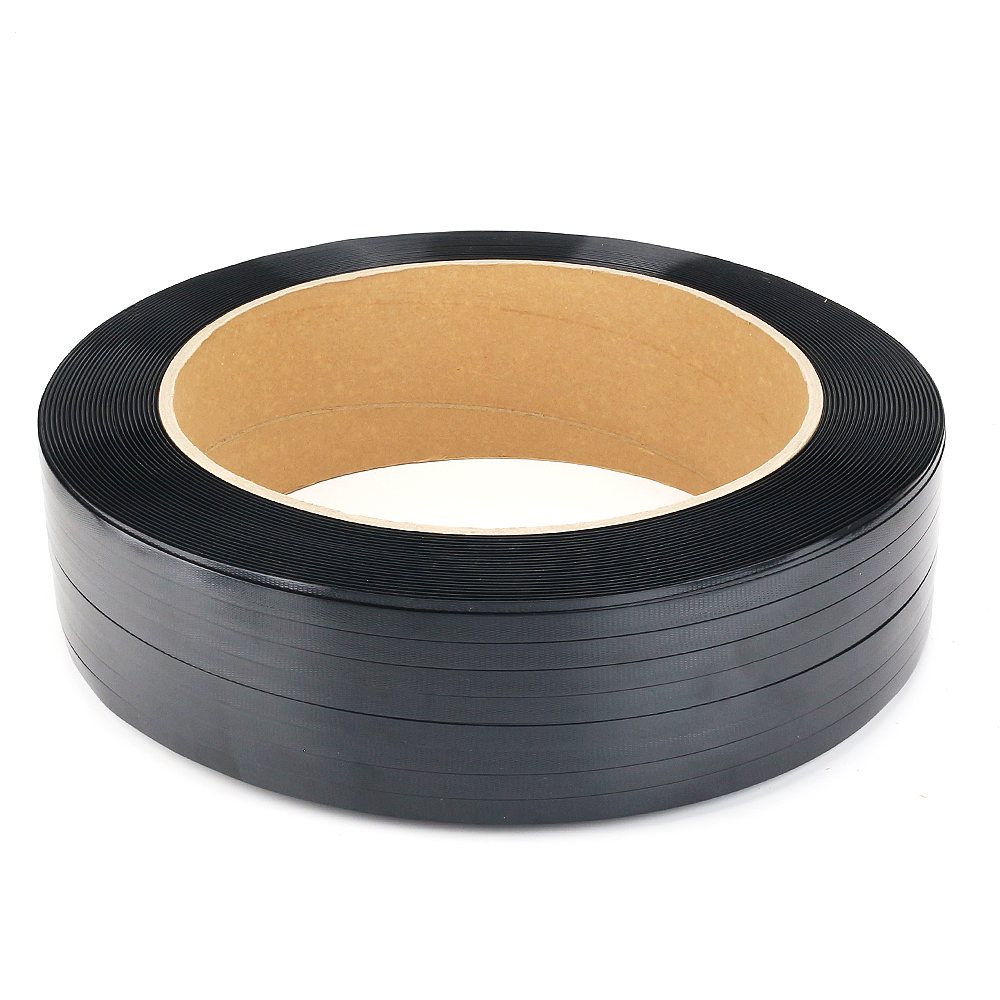
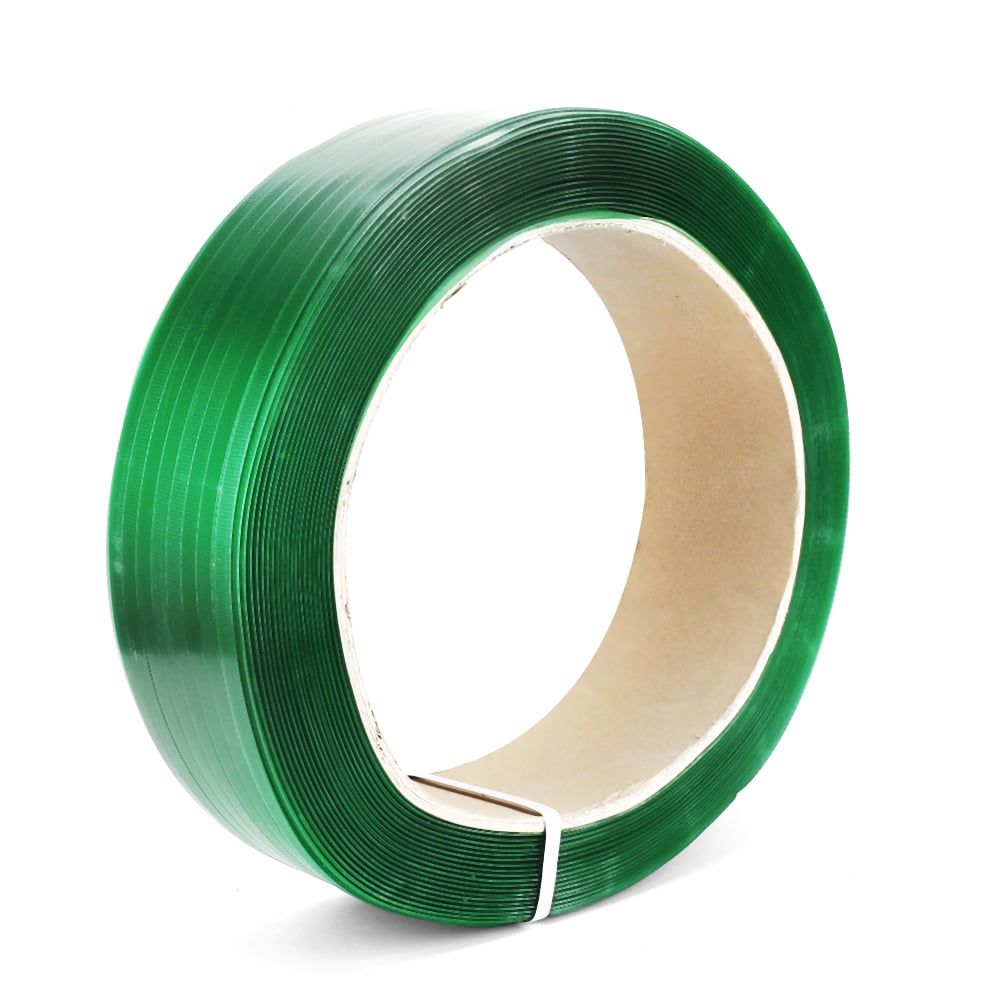
Polypropylene strapping is an essential component for securing goods during transit, widely used across various industries. As businesses seek reliable polypropylene strapping suppliers, understanding the different types, specifications, and purchasing considerations becomes crucial. This article will provide insights on choosing the right polypropylene strapping, cost factors, common issues, technical advantages, and best practices to help you make informed purchasing decisions.
Our Products

Cost Factors to Consider When Purchasing Polypropylene Strapping in Bulk

When sourcing polypropylene strapping in bulk, several cost factors come into play. The price per unit typically decreases as the order size increases, but buyers should also consider additional costs that can impact overall expenses. Shipping costs, for instance, can vary significantly based on the weight and dimensions of the strapping rolls, as well as the delivery distance. It’s advisable to obtain quotes from multiple suppliers to compare not only product prices but also shipping options, as this can lead to substantial savings. 

Another important factor is the potential for customization. Custom colors, printed logos, or specific dimensions may incur additional costs, but they can also enhance your brand visibility and meet specific operational needs. Always clarify any additional charges related to customization upfront to avoid surprises in your final invoice. 

Additionally, consider the quality of the strapping when evaluating cost. While lower-priced options may be attractive, they could lead to increased damage during shipping, resulting in higher replacement costs. Therefore, it is essential to balance cost with quality to ensure a reliable strapping solution. 
Common Problems in Polypropylene Strapping and Effective Solutions

Despite its popularity, polypropylene strapping can present several common problems. One frequent issue is strap breakage, which can lead to product damage and loss during transit. This often occurs when the strapping is not appropriately selected for the load it is securing. To mitigate this, always verify the breaking strength of the polypropylene strapping against your load requirements before purchasing. 

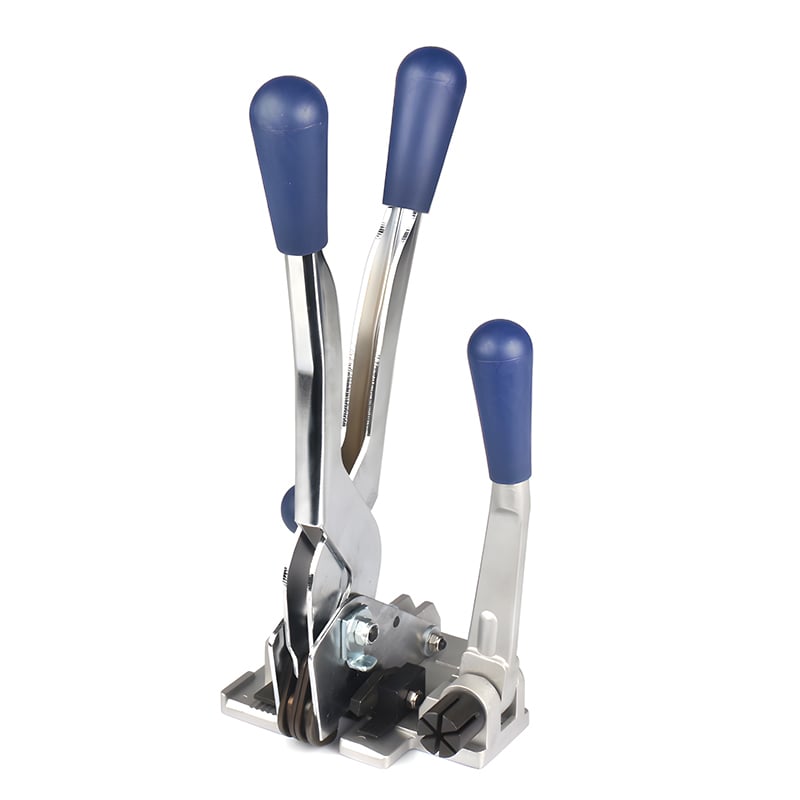
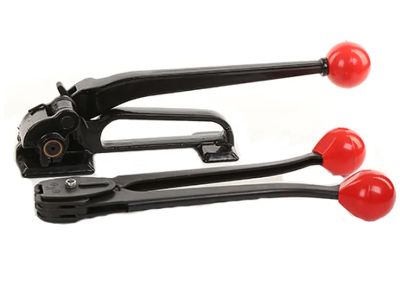
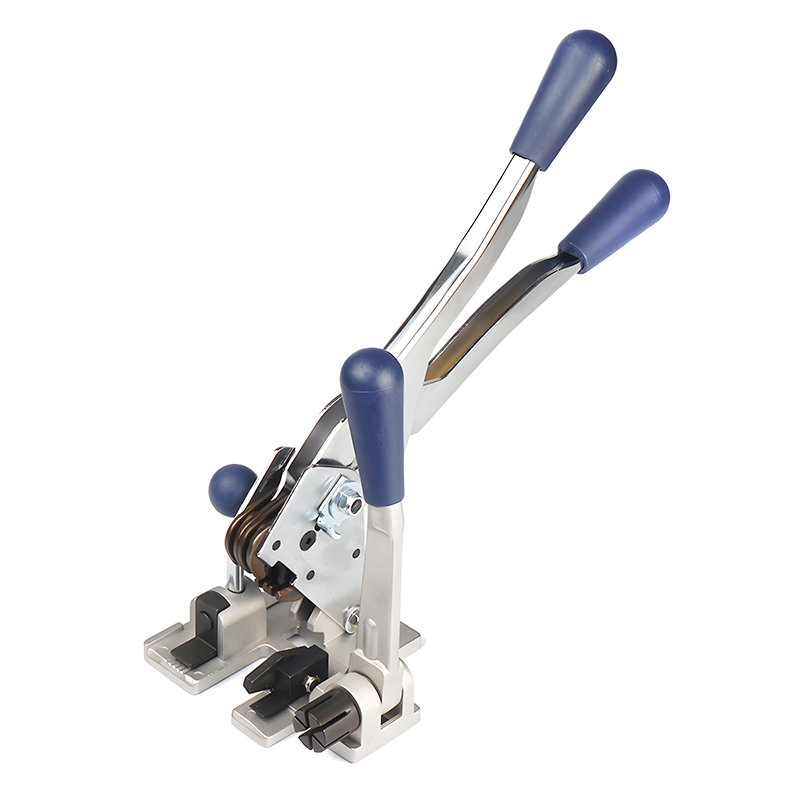
Another issue is the improper application of the strapping. Using inadequate tension can result in loose straps that fail to secure the load effectively. Conversely, over-tensioning can lead to excessive stress, causing the strapping to snap or deform. Implementing a proper tensioning technique and using an appropriate tensioning tool can alleviate these problems. Conducting training sessions for personnel involved in the strapping process can also improve application techniques. 

Finally, exposure to environmental conditions such as moisture or extreme temperatures can weaken polypropylene strapping. If your products are stored or transported in such environments, consider opting for strapping designed for enhanced durability in adverse conditions or using protective coverings. 

Technical Advantages of Using Polypropylene Strapping in Packaging

Polypropylene strapping offers several technical advantages that make it a popular choice in packaging. One key benefit is its lightweight nature, which reduces shipping costs without compromising strength. This is particularly advantageous for businesses that ship large quantities of goods, as the overall weight can significantly influence freight costs. 

Additionally, polypropylene strapping has excellent flexibility, allowing it to secure products of varying shapes and sizes effectively. Its elasticity means it can absorb shocks and impacts during transit, reducing the risk of damage to the packaged goods. Furthermore, polypropylene is resistant to moisture and UV rays, making it suitable for both indoor and outdoor applications. 

The production process also contributes to its sustainability. Enjoy Packaging manufactures polypropylene strapping from recycled bottle flakes, promoting environmental responsibility while maintaining high-quality standards. This not only helps reduce plastic waste but also appeals to businesses looking to enhance their sustainability efforts. 

Best Practices and Tips

To ensure the optimal performance of polypropylene strapping, consider implementing the following best practices: 

Conduct a Load Assessment: Before selecting strapping, evaluate the weight and dimensions of the products being secured. This will help you determine the appropriate width, thickness, and breaking strength needed. 

Test Samples: Always request samples of strapping to test under actual operating conditions. This will allow you to evaluate factors such as tensioning methods, compatibility with closure systems, and overall performance before committing to a bulk order. 

Monitor Environmental Conditions: Be aware of the conditions in which your strapping will be used. If necessary, choose strapping designed to withstand specific environmental challenges, such as extreme temperatures or exposure to moisture. 

Train Staff: Ensure that all personnel involved in the strapping process are trained in proper application techniques. This reduces the risk of common issues such as improper tensioning or misapplication. 

Maintain Quality Control: Implement a quality control process to inspect strapping quality upon delivery. Look for any signs of damage or inconsistencies in the product, as these can impact performance. 

By following these guidelines and understanding the nuances of polypropylene strapping, you can make informed decisions that enhance your packaging processes and ultimately contribute to your business’s success in securing products during transit.  

How to Choose the Right Polypropylene Strapping for Your Projects

Selecting the appropriate polypropylene strapping involves considering several factors tailored to your specific application. First, assess the load requirements of your products. Polypropylene strapping is available in varying widths, thicknesses, and breaking strengths, which play a critical role in ensuring that your goods remain secure during transport. For example, lighter loads may only require narrower strapping, while heavier products demand wider, thicker bands to maintain integrity and prevent breakage. 

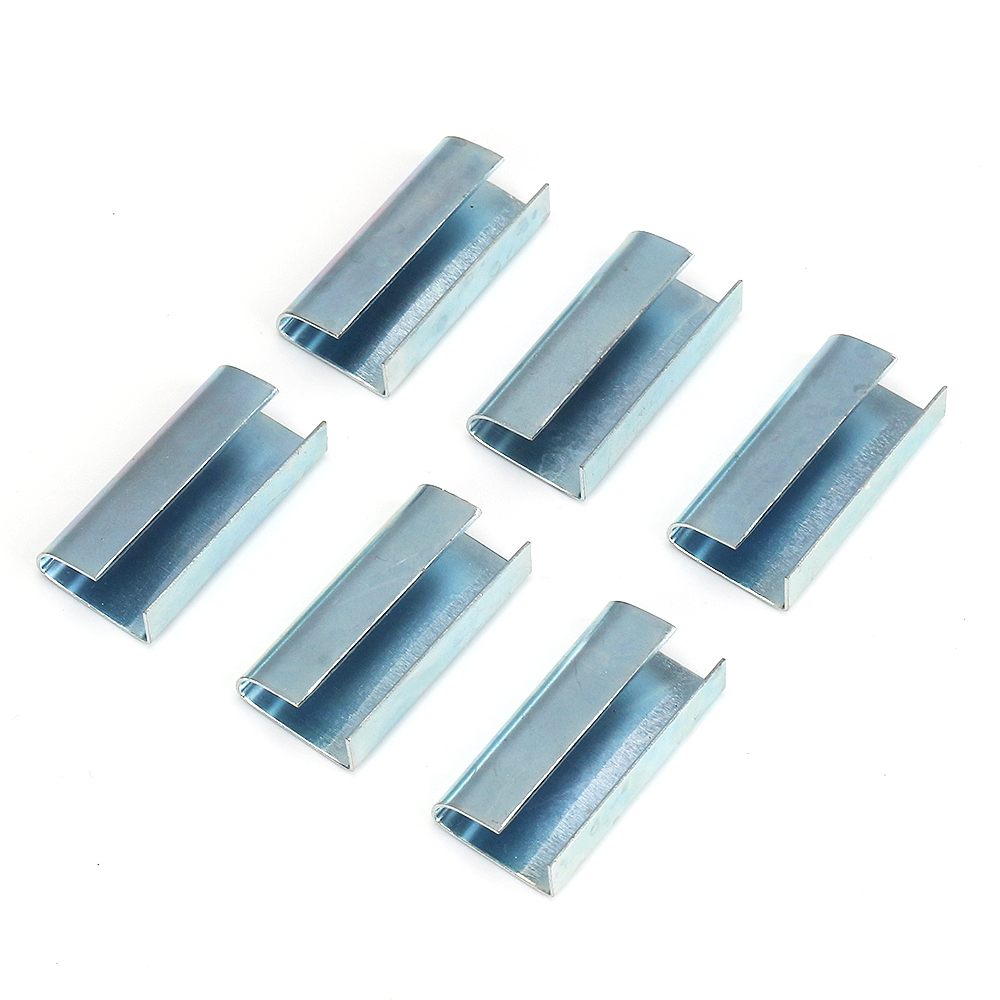
Next, consider the type of closure methods that will be used with the strapping. Common methods include heat sealing, buckle and tensioning, or friction welds. Each method has different compatibility requirements with the polypropylene pp strapping material. If you plan to use automated machinery for your strapping process, confirm that the polypropylene strapping is compatible with your equipment to avoid operational disruptions. 

Lastly, evaluate the environmental conditions of your storage and shipping environments. Polypropylene strapping is resistant to moisture and UV light, making it suitable for outdoor applications. However, if your products will be exposed to extreme temperatures, it is essential to confirm that the strapping maintains its performance under those conditions. 

Our Blog Posts

Future Proof Your Packaging Line with Advanced PET Strapping Technology

23

Sep

Future Proof Your Packaging Line with Advanced PET Strapping Technology

Modern PET Strapping solutions Packaging The other aspect that is crucial when packaging is concerned, needs of proper materials and technology techniques for a product to be relocated or stored safely. It offers a forward-thinking solution to P...
View More
Bulk PET Strapping Roll Supplier Options for High Volume Packaging Facilities

10

Oct

Bulk PET Strapping Roll Supplier Options for High Volume Packaging Facilities

Find the Right Bulk PET Strapping Roll Supplier For high volume packaging facilities, the key is to get in touch with a quality manufacturer of PET strapping rolls. Any provider should secure the high quality and durable strapping rolls. Pet Pre...
View More
The True Cost of Downtime with an Unreliable Pneumatic Steel Strapping Tool

07

Sep

The True Cost of Downtime with an Unreliable Pneumatic Steel Strapping Tool

Understanding the true cost of downtime with an unreliable pneumatic steel strapping tool is critical for businesses reliant on efficient packaging operations. Downtime not only disrupts workflow but can significantly affect your bottom line. This ar...
View More

Get a Free Quote

Our representative will contact you soon.
Email
Name
Mobile/WhatsApp
Company Name
Message
0/1000
Choosing Reliable Polypropylene Strapping Suppliers

Get a Free Quote

Our representative will contact you soon.
Email
Name
Mobile/WhatsApp
Company Name
Message
0/1000