 EN
EN
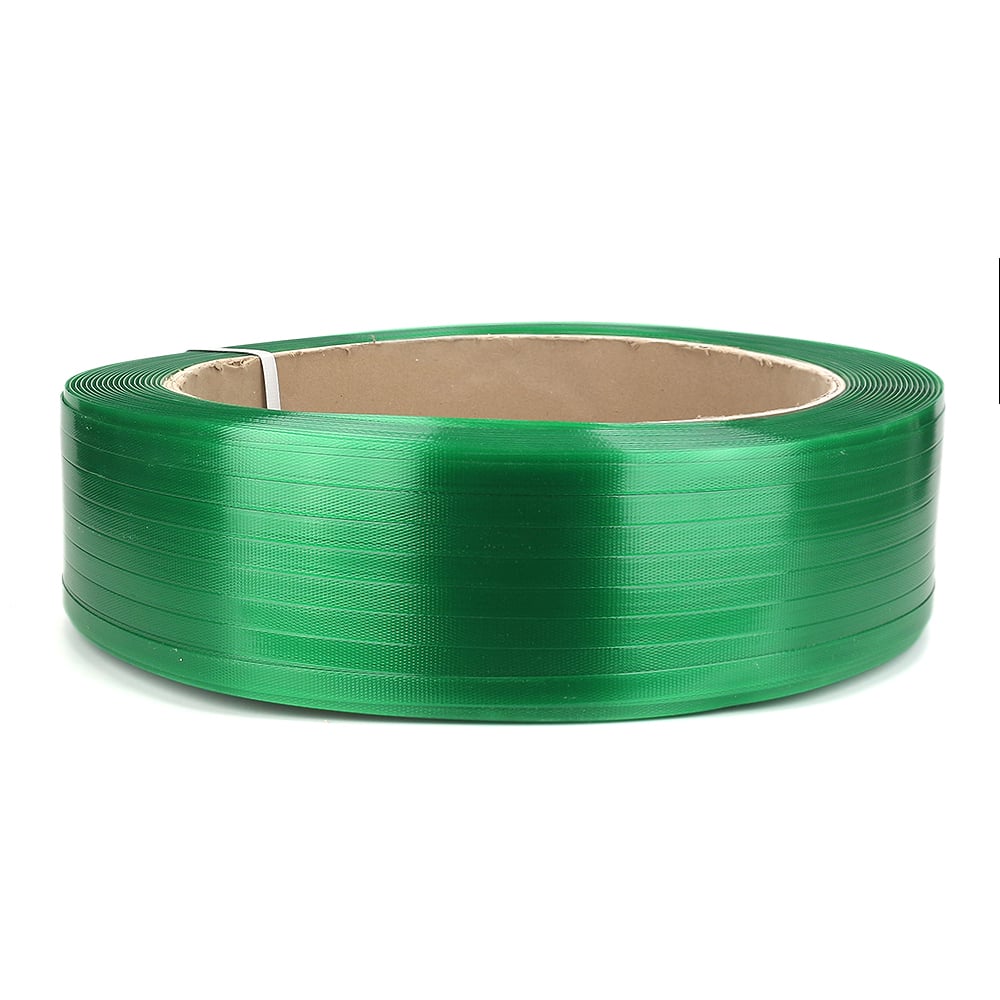
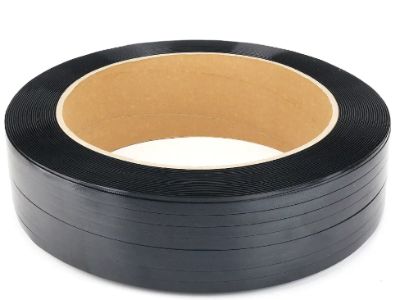
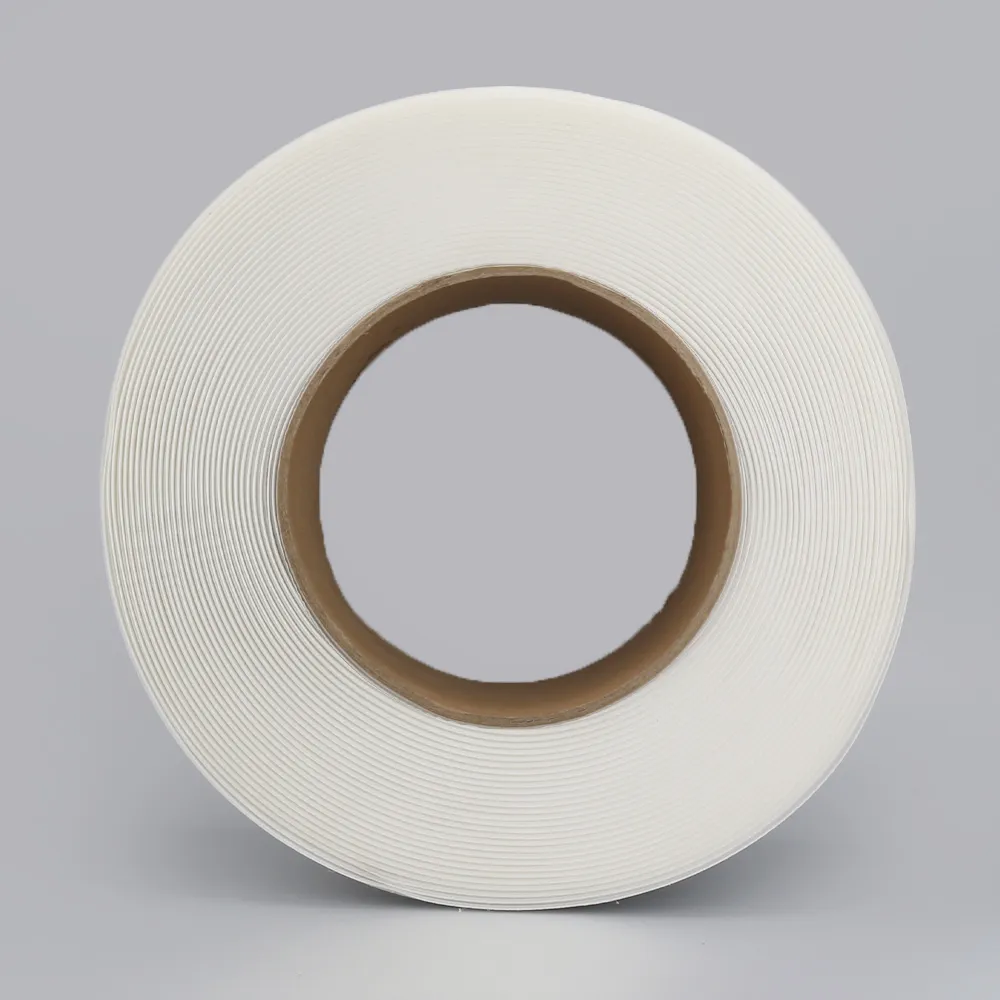
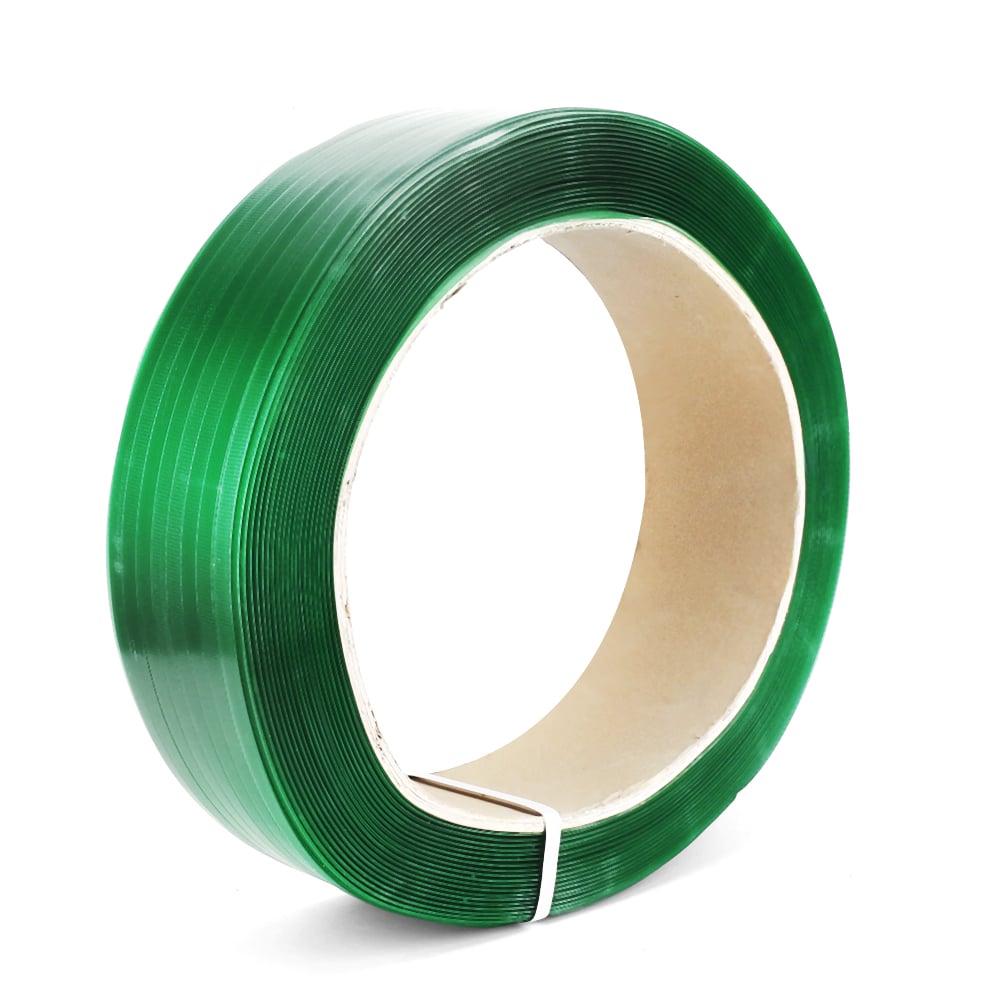
Polyester strapping is an essential solution for securing goods during transit, particularly in manufacturing and logistics. For purchasing managers, distributors, and engineers, understanding the unique properties of polyester strapping can help ensure that the right choice is made for various applications. This article will provide insights into technical specifications, common issues, applications across industries, installation guidance, and a comparison of PP vs. PET strapping options, thereby equipping buyers with the knowledge to make informed decisions.
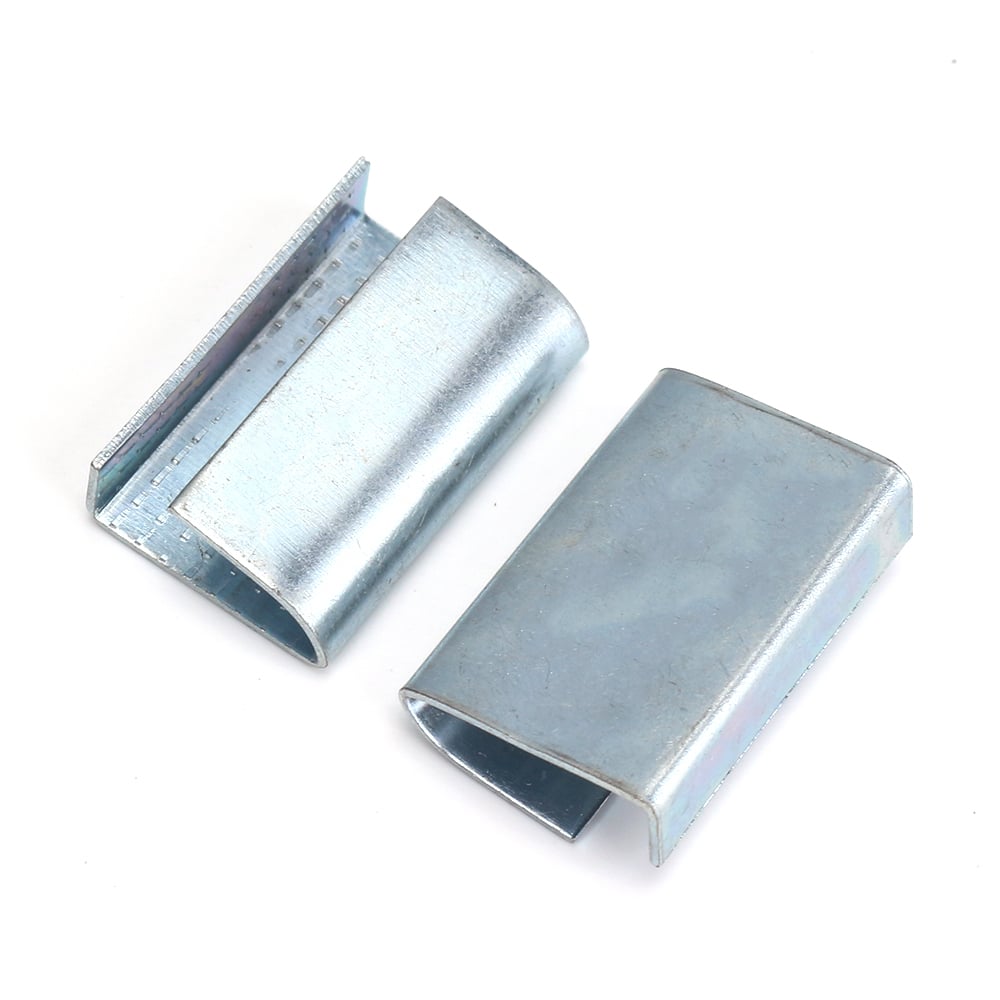
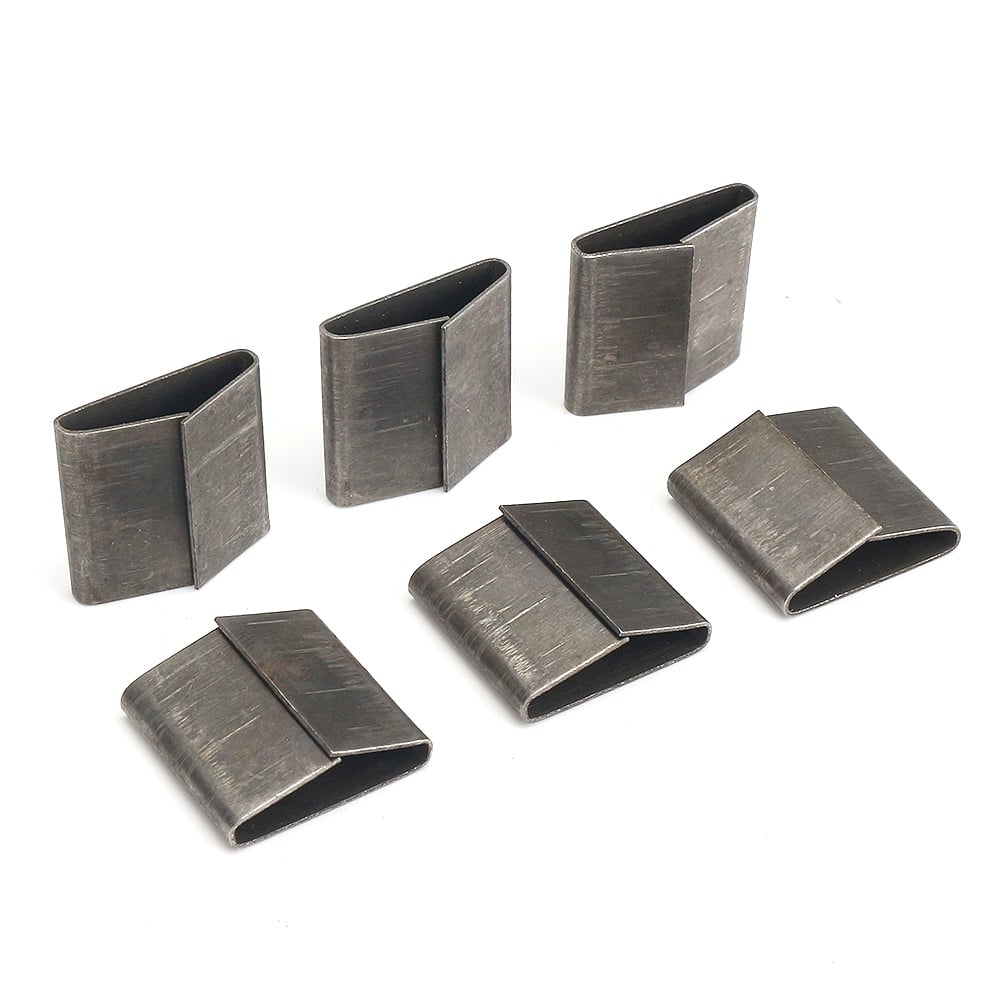
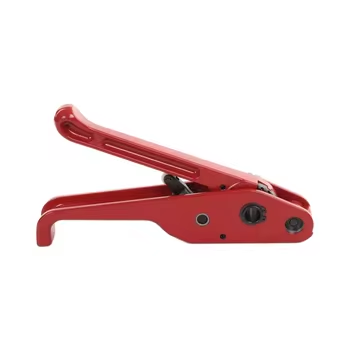
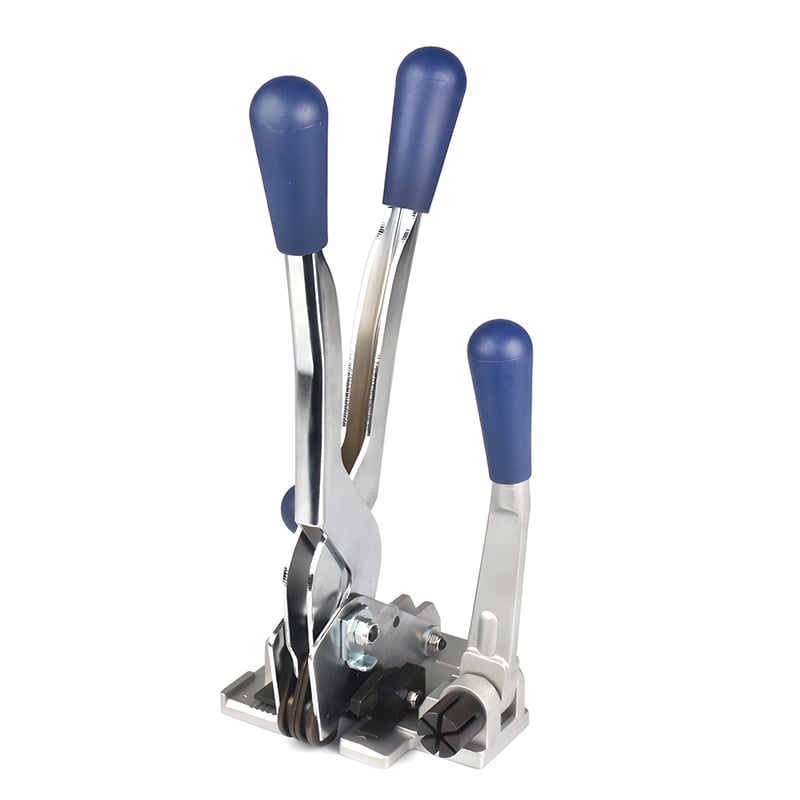
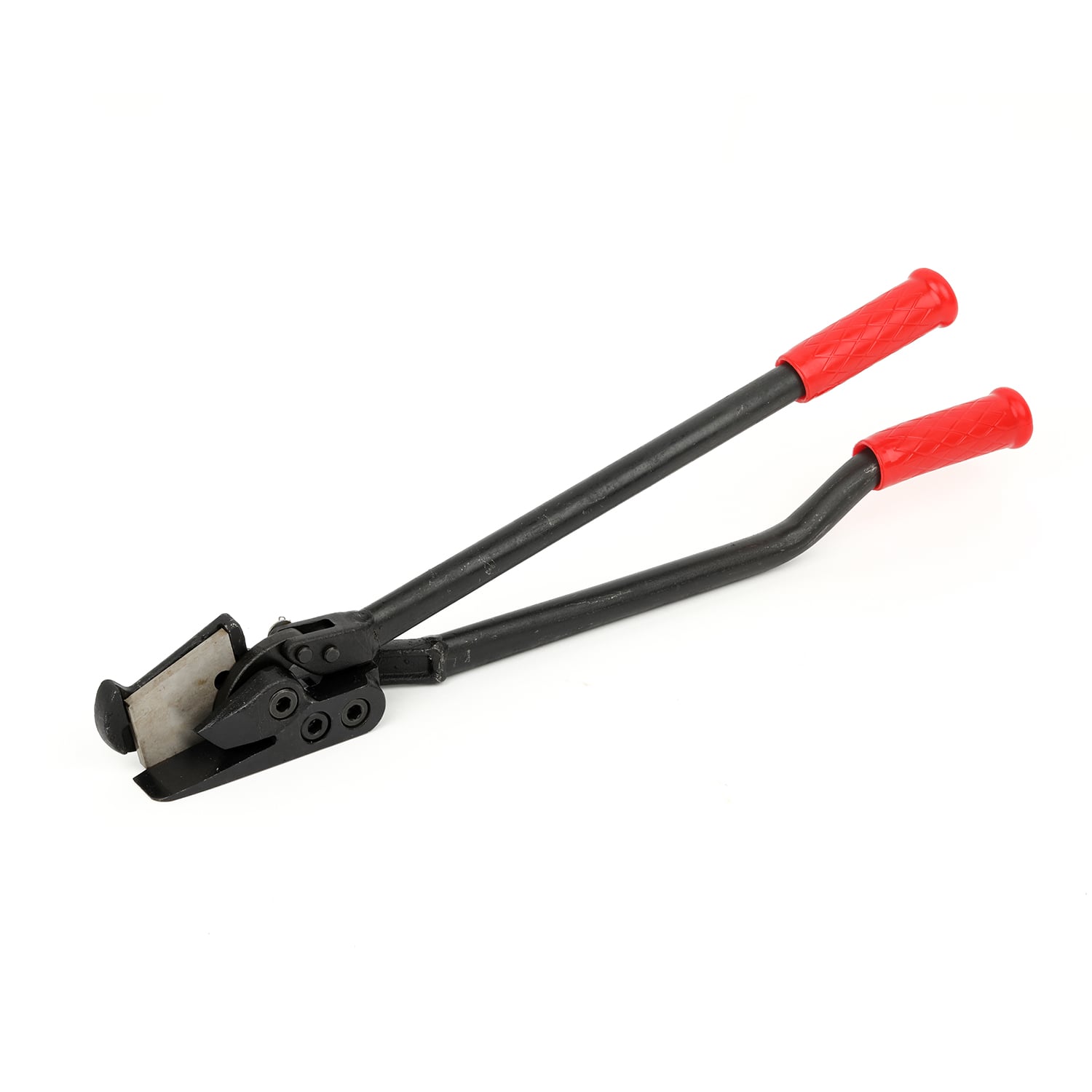
Common Problems with Polyester Strapping and Effective Solutions
While polyester strapping is robust, certain issues can arise during use. Here are some common problems and their solutions:
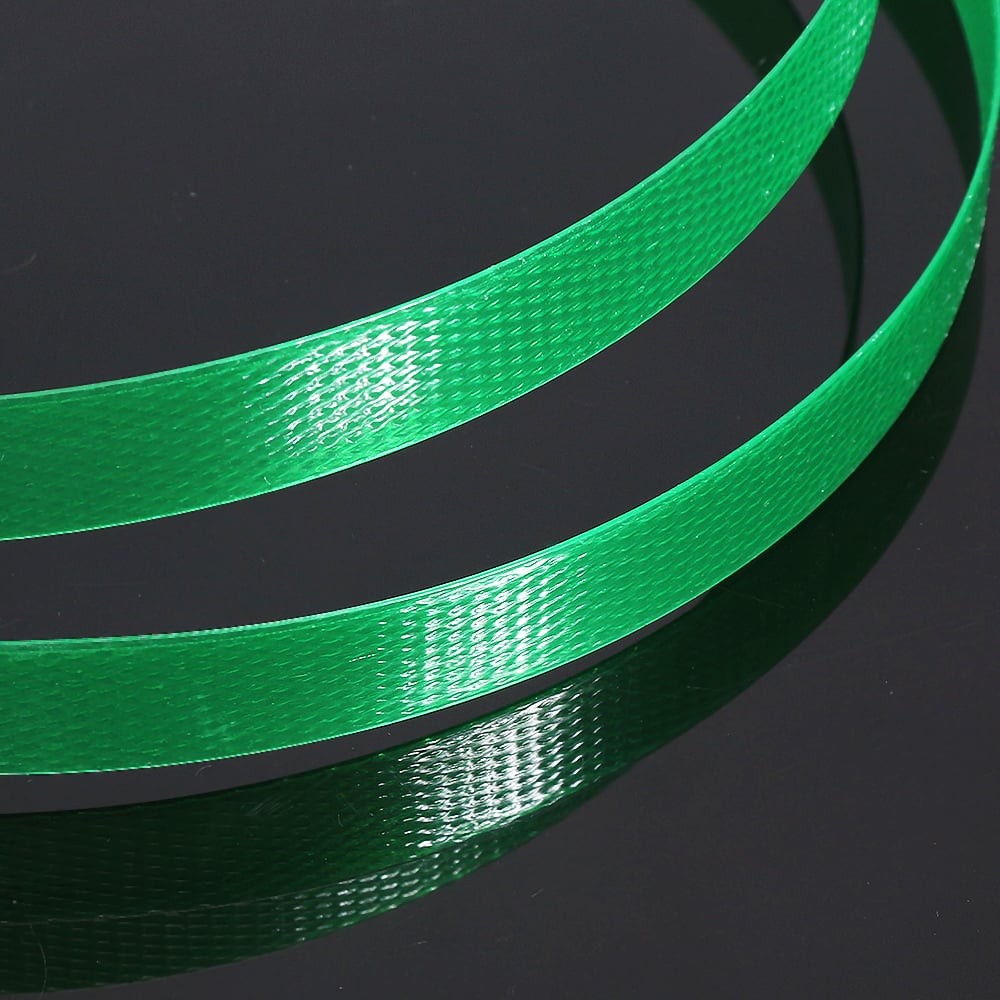
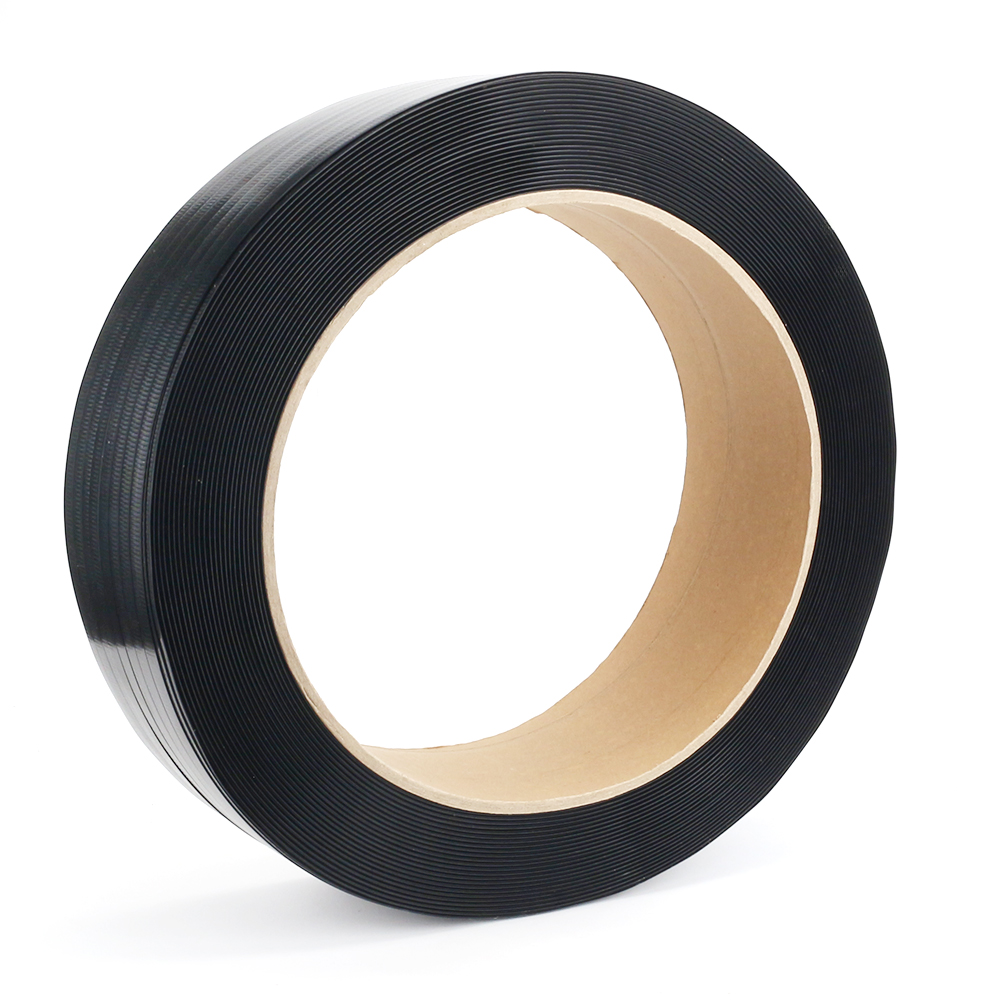
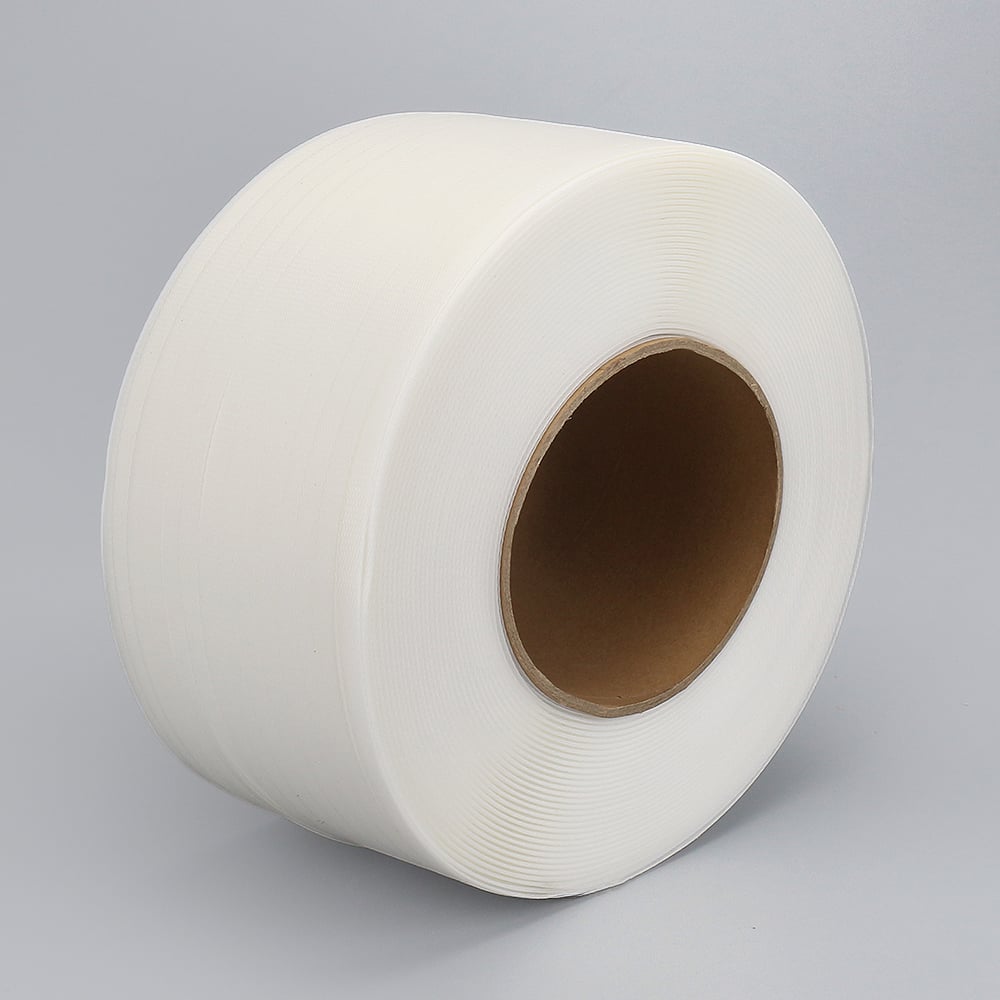
Slippage During Transport: If the strapping slips during transit, it can lead to product damage. This issue can often be resolved by ensuring that the proper tension is applied during installation. Additionally, selecting strapping with a textured surface can help improve grip.
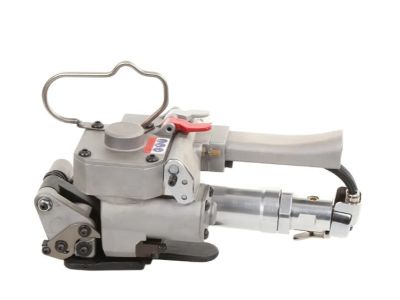
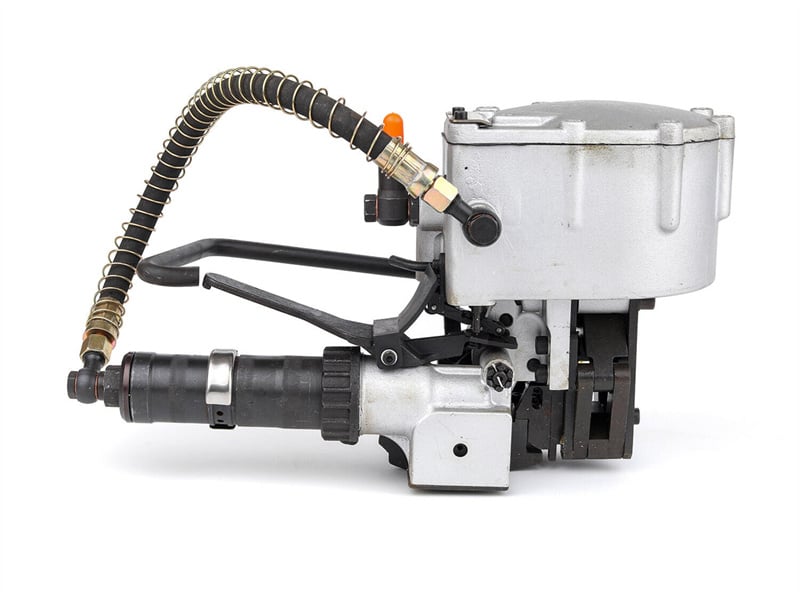
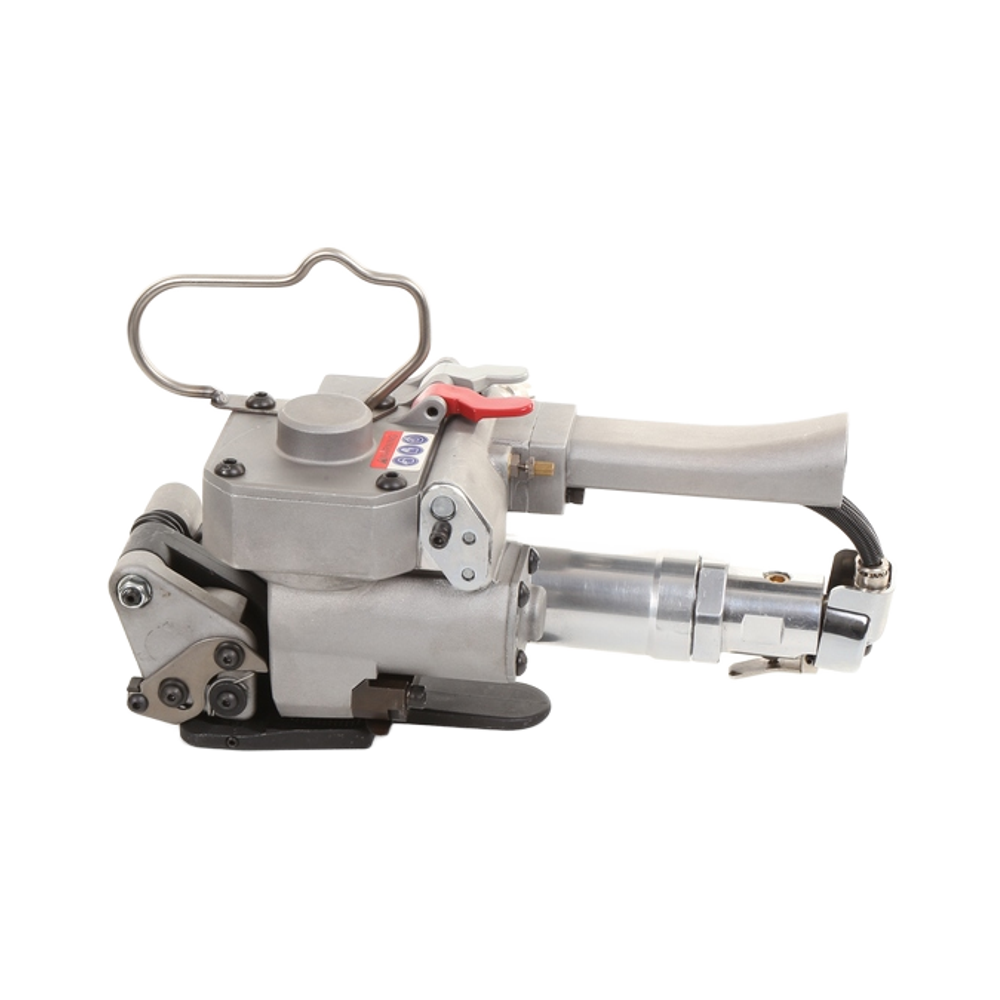
Brittleness in Cold Temperatures: Polyester strapping can become brittle in extremely low temperatures, leading to breakage. To mitigate this, buyers should consider using power strapping tool designed for cold environments, which may incorporate additives to maintain flexibility.
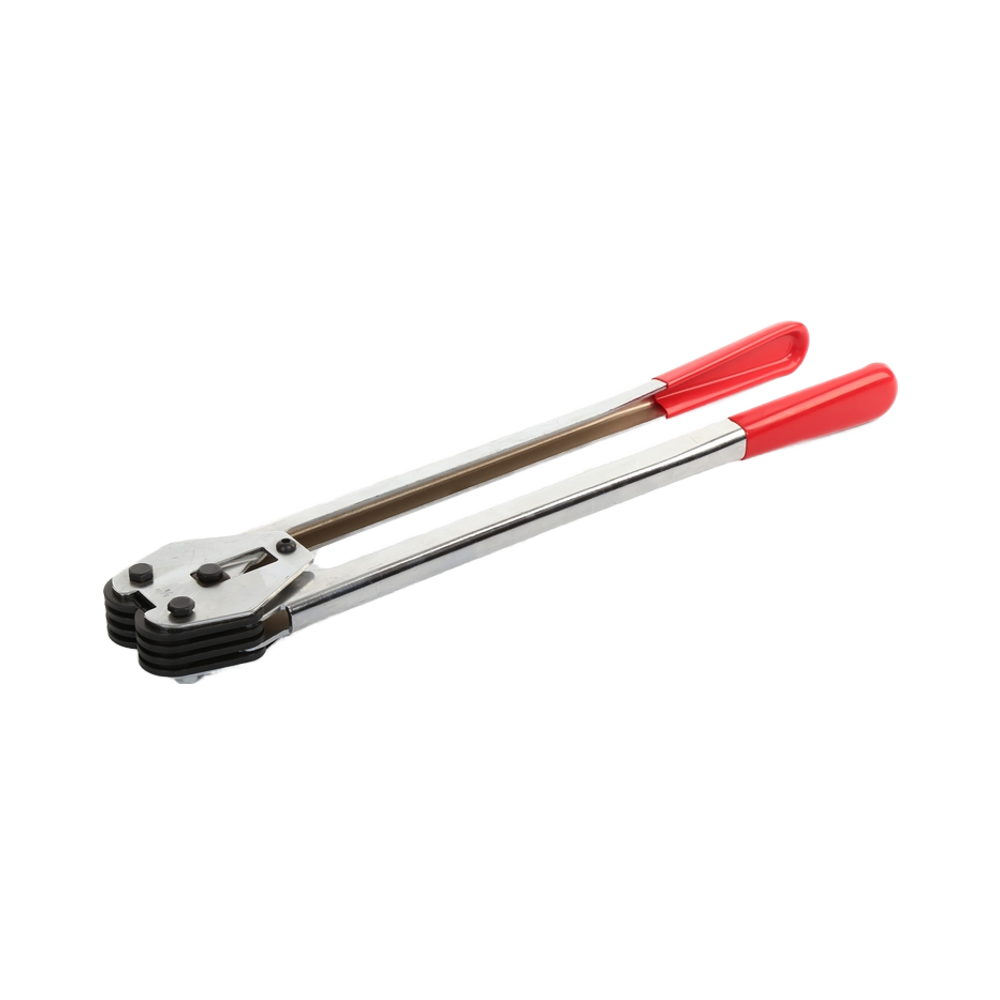
Incorrect Tensioning: Over or under-tensioning can lead to product damage or strap failure. Buyers should utilize tensioning tools that provide consistency in the amount of tension applied, ensuring that the strapping remains secure without compromising the integrity of the packaged goods.
By being aware of these potential problems and their solutions, buyers can better prepare for effective use of polyester strapping in their operations.