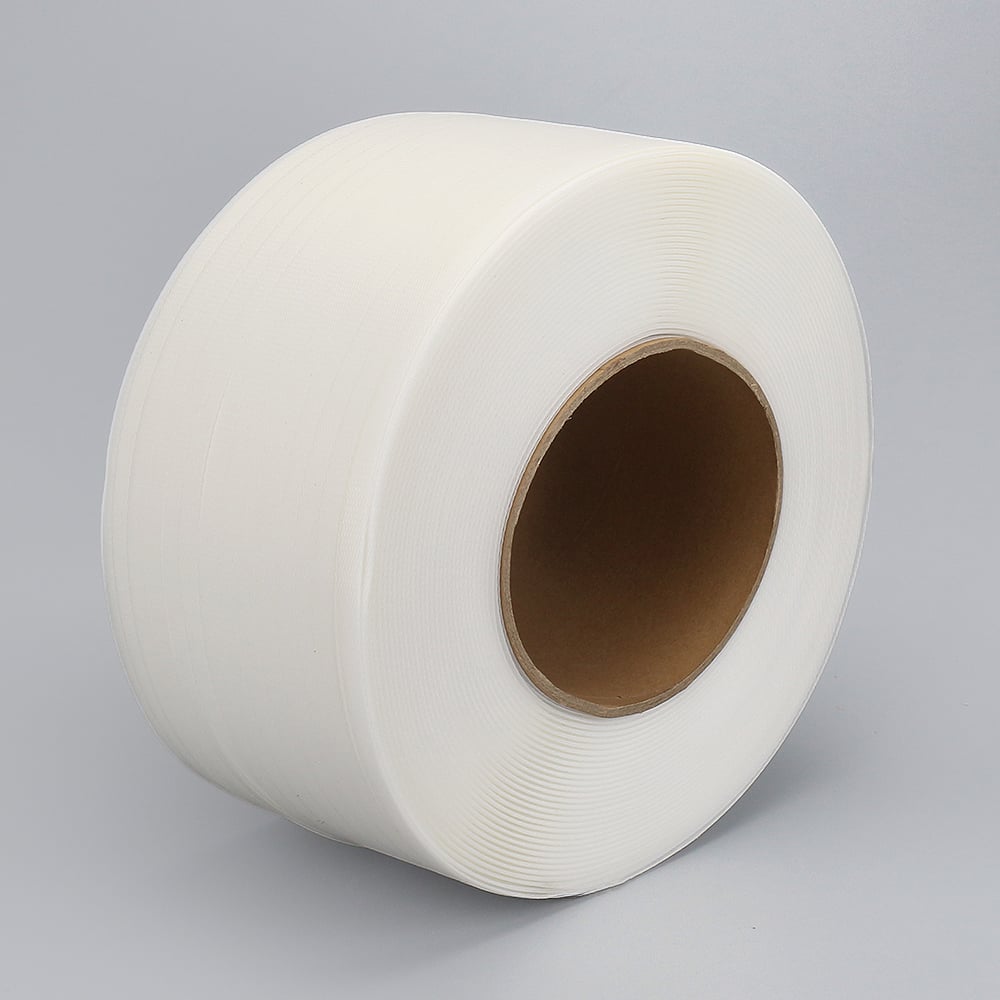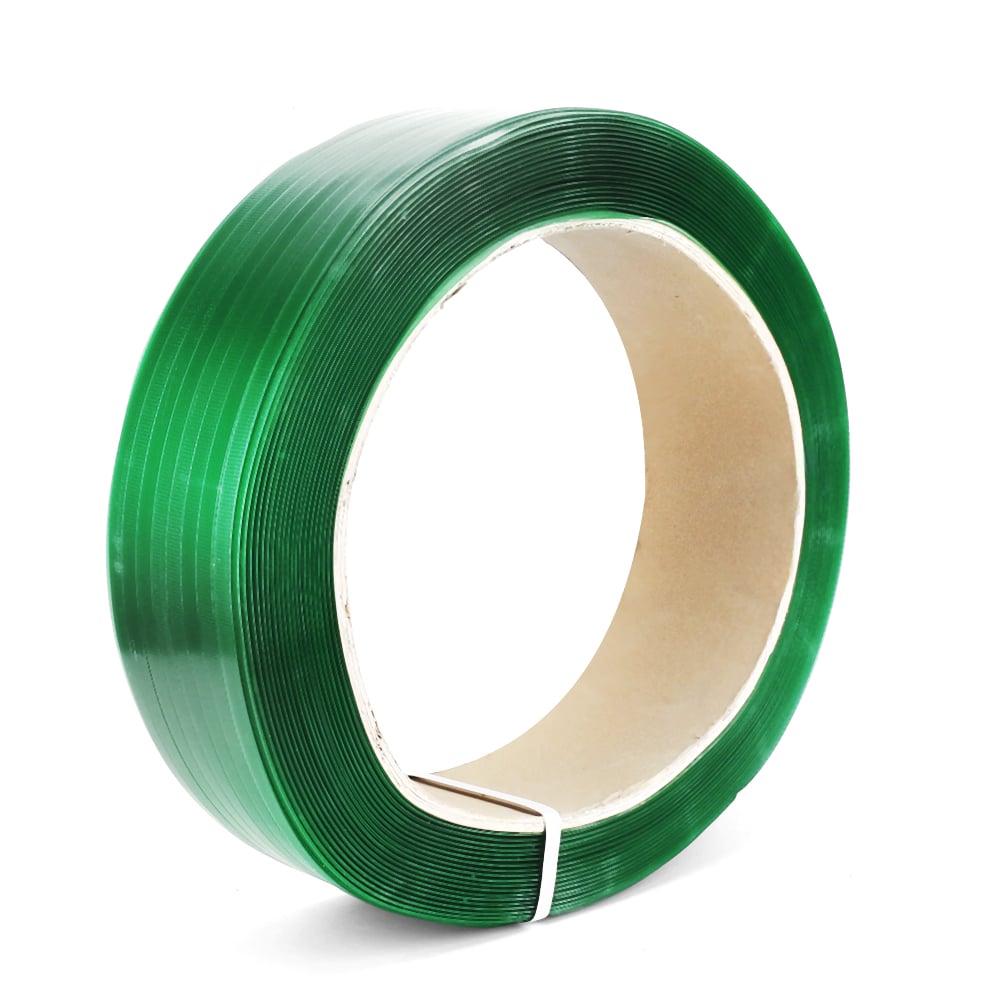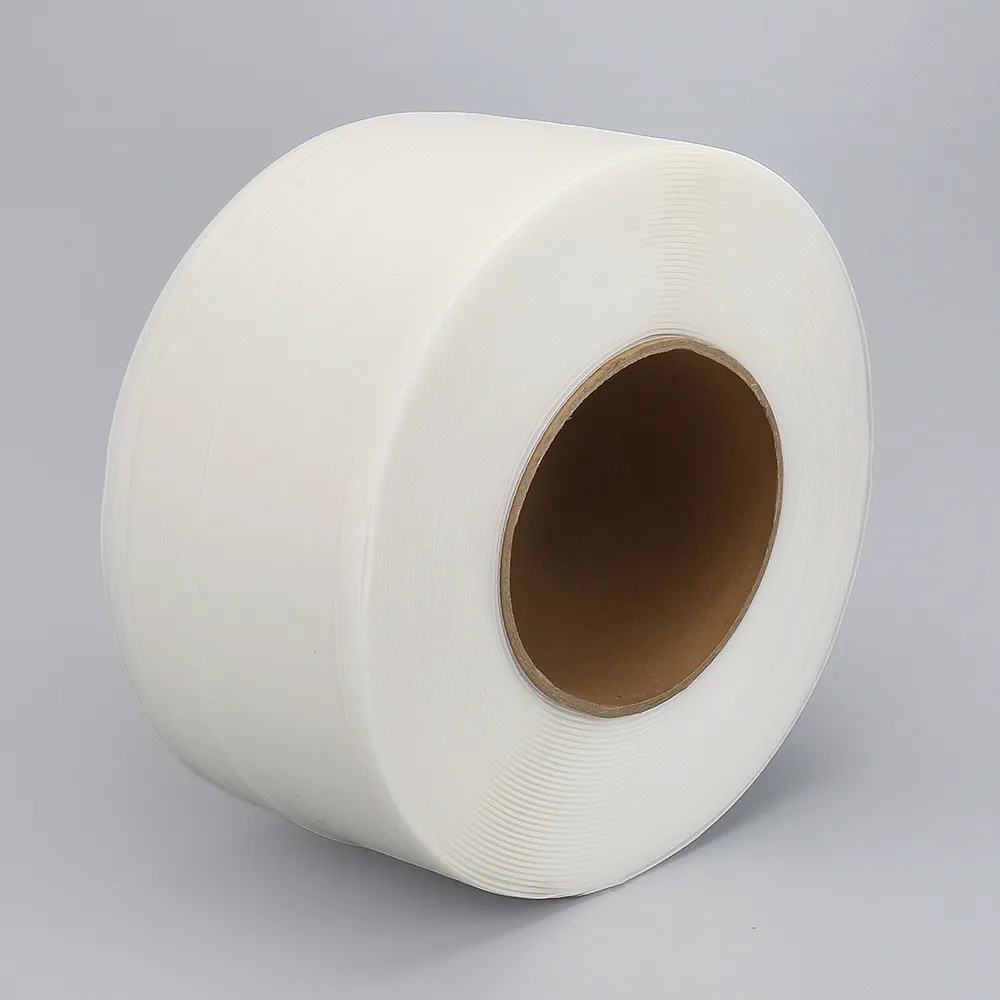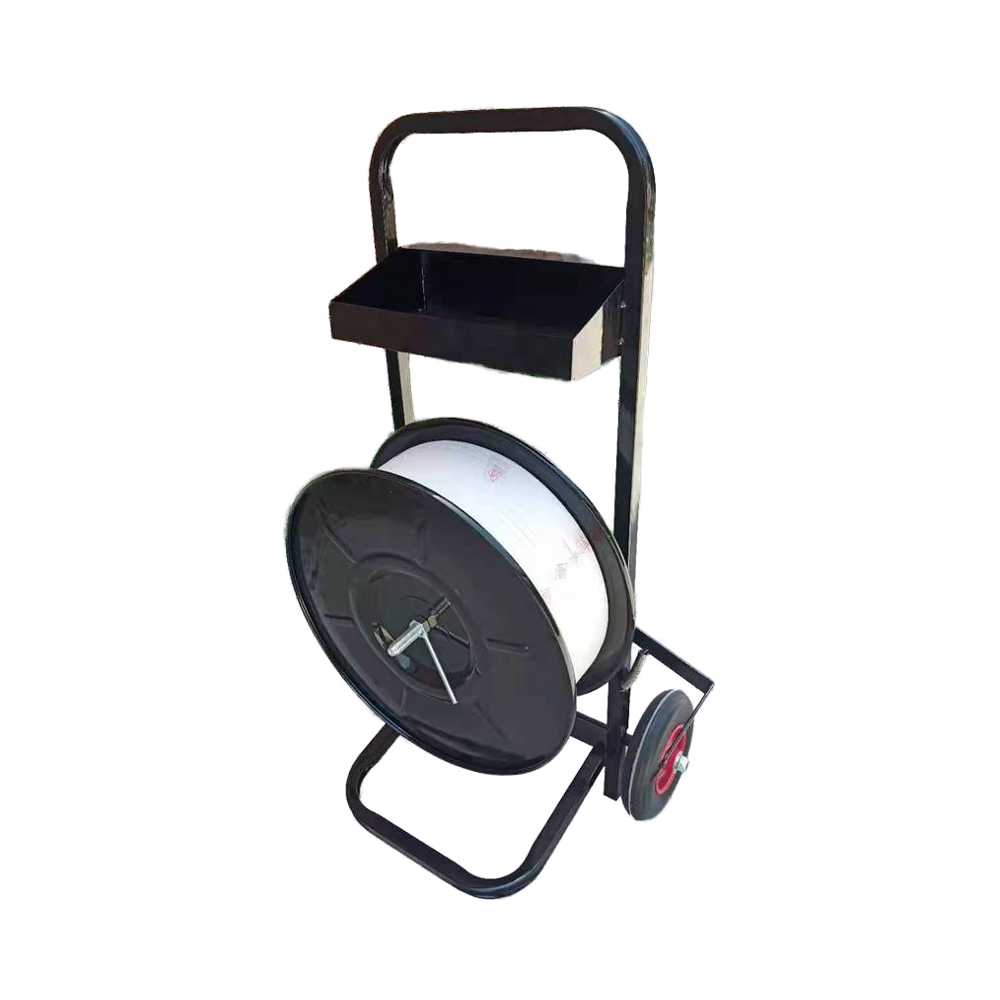
Tensilized Polypropylene Strapping Tape

Contact me immediately if you encounter problems!

All Categories

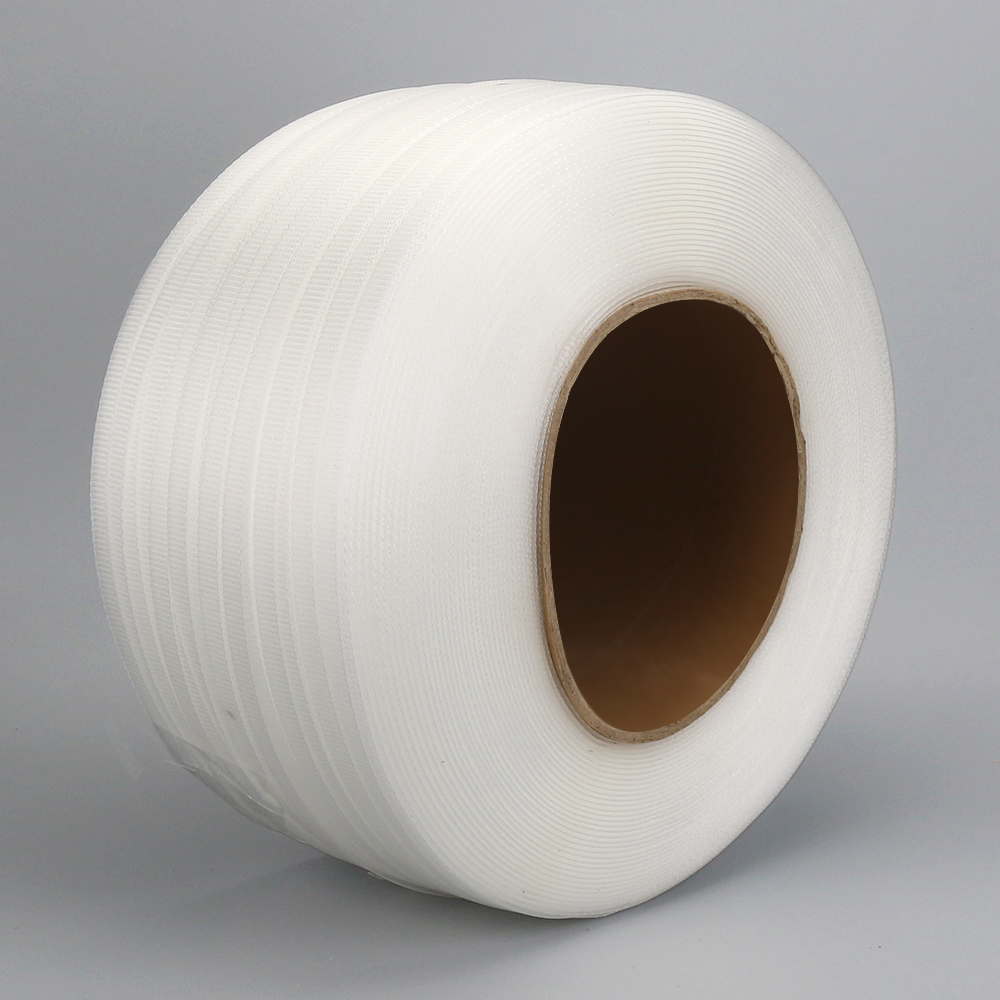
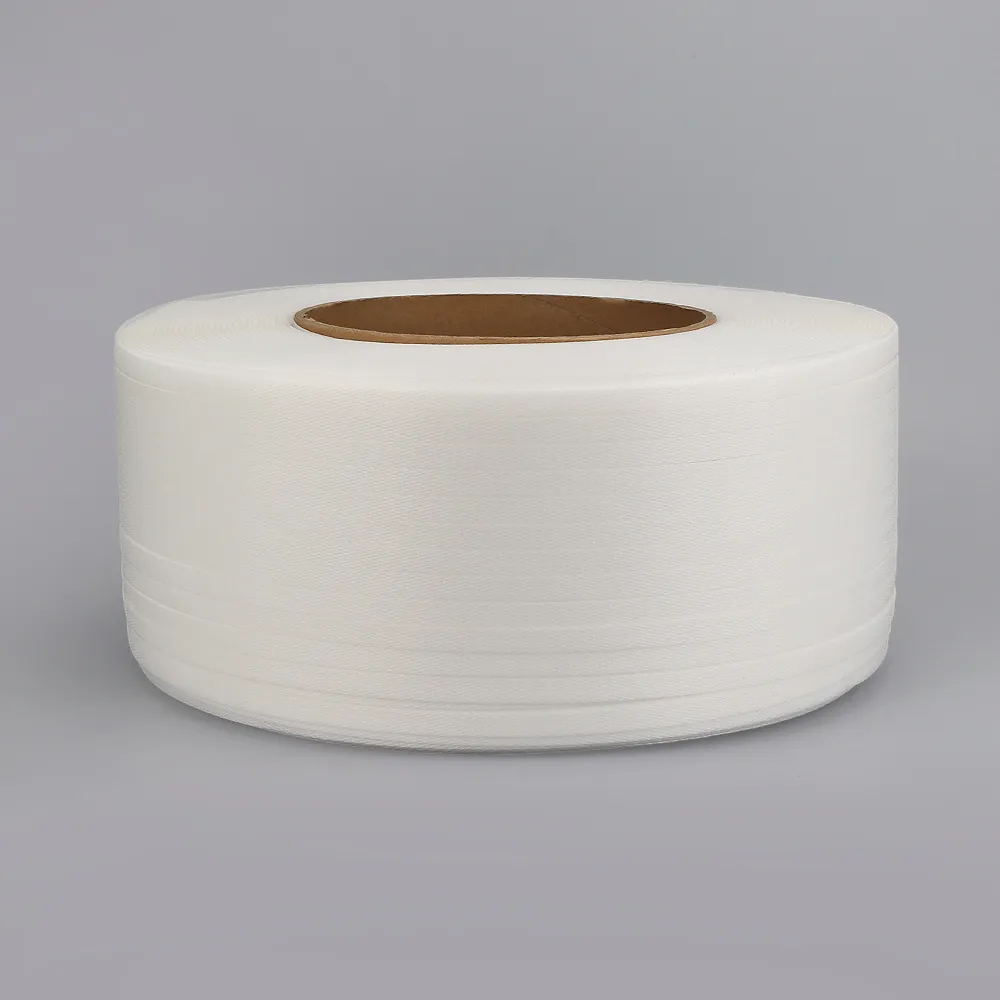
Tensilized polypropylene strapping tape

 polypropylene strapping tape is a versatile and durable solution used in the manufacturing and shipping industries to secure products during transit. For B2B buyers, understanding the key specifications, quality control processes, and cost factors associated with this product polypropylene band is essential for making informed purchasing decisions. This article will guide purchasing managers, distributors, and engineers through the quality control processes polypropylene strapping tape critical considerations for evaluating and selecting  polypropylene strapping tape. 
Our Products

Finding Reliable Suppliers for Strapping Tape

Identifying trustworthy suppliers for polypropylene strapping tape is crucial for securing consistent quality and reliable service. Here are some strategies for finding the right supplier: 

Industry Reputation: Look for companies with a solid reputation in the manufacturing sector. Reviews, testimonials, and case studies can provide insights into a supplier's reliability and product quality. 

Certifications: While the provided company background does not specify certifications, it’s advisable to inquire about any relevant quality certifications the supplier may hold. This includes ISO certifications or compliance with industry standards that ensure consistency and reliability in production. 

Sample Approval: Before placing a bulk order, request samples to test the product. This quality control processes quality control processes polypropylene strapping tape step allows buyers to evaluate the tape’s performance under actual working conditions, ensuring it meets the necessary specifications. 

Production Capabilities: Suppliers should have advanced production lines and a robust quality control process. Understanding their manufacturing capabilities can help determine if they can meet your volume and customization needs. 

Customer Support: A responsive and knowledgeable customer service team can facilitate smoother transactions and provide valuable information during the  purchasing process. 

By focusing on these aspects, buyers can establish partnerships with suppliers who meet their specific needs and maintain high standards of quality. 
Understanding the Quality Control Processes for Strapping Tape

Quality control is a vital aspect of manufacturing polypropylene strapping tape. To ensure product consistency and reliability, several quality control processes should be in place: 

Raw Material Inspection: The quality of the raw materials used in production directly affects the final product. Suppliers should perform thorough inspections of their recycled bottle flakes and other materials to ensure they meet stringent quality standards. 

In-Process Monitoring: Advanced production lines should include continuous monitoring of critical parameters such as temperature, pressure, and material flow. This helps identify any deviations from the desired specifications in real-time, preventing defects. 

Final Product Testing: Before shipment, finished products should undergo rigorous testing to verify their strength, elasticity, and overall performance. This may include tensile strength tests and elongation tests to confirm that the tape meets the specified requirements. 

Traceability: A robust quality control system should include traceability of production batches. This quality control processes allows for tracking the production history of a particular roll of strapping tape, which can be beneficial if issues arise post-purchase. 

Feedback Loop: Establishing a system for customer feedback can help suppliers continuously improve their products. By addressing any challenges reported by buyers, manufacturers can refine their processes and enhance product quality. 

These quality control measures help ensure that the strapping tape delivered to buyers meets the necessary performance standards, reducing the risk of product failure during use. 

Cost Factors to Consider When Purchasing Tensilized Polypropylene Tape

Understanding the cost factors associated with polypropylene strapping tape is essential for effective budgeting and procurement. Here are key considerations: 

Material Costs: Prices can vary based on the quality of the raw materials used in production. Higher quality materials may lead to a higher initial cost but can provide better performance and durability, potentially lowering overall costs in the long run. 

Order Volume: Many suppliers offer volume discounts. Buyers should assess their needs and consider purchasing larger quantities to take advantage of cost savings. 

Customization Requirements: Custom colors, widths, or other specifications may increase the polypropylene strapping tape overall cost. Buyers should evaluate whether customization is necessary for their applications and budget accordingly. 

Shipping and Handling: Transportation costs can significantly impact the total cost of procurement. Considering the delivery location and logistics can help buyers estimate these expenses accurately. 

Supplier Relationships: Establishing long-term relationships with suppliers can lead to quality control processes better pricing negotiations and terms. Suppliers may offer preferential pricing to repeat customers or those who maintain consistent purchasing patterns. 

By considering these factors, buyers can better manage their budgets and optimize their purchasing strategies for polypropylene strapping tape. 

Installation Guidance for Tensilized Polypropylene Strapping Tape

Proper installation of polypropylene strapping tape is crucial to ensure its effectiveness in securing products. Here are some guidelines to follow: 

Equipment Compatibility: Ensure that the strapping tape is compatible with the sealing equipment being used. Different machines may have specific requirements regarding tape width and thickness. 

Proper Tensioning: When applying the tape, it is essential to maintain the quality control processes correct tension. Over-tightening can lead to tape breakage, while insufficient tension may result in inadequate security. Testing on a few packages before full-scale application can help determine the optimal tension. 

Sealing Techniques: Depending on the application, various sealing methods may be used, such as heat sealing or buckle tensioning. Familiarize yourself with the best practices for the chosen sealing method to ensure a secure bond. 

Environmental Considerations: Consider the environmental conditions where the products polypropylene pp strapping will be stored or transported. Exposure to moisture, UV light, or extreme temperatures can affect the tape's performance. Ensure that the installation method accounts for these factors. 

Regular Maintenance: Periodically check the installed tape for signs of wear or damage. Regular inspections can help identify any issues before they compromise the integrity of the secured products. 

By following these installation guidelines, buyers can maximize the polypropylene strapping tape performance and reliability of polypropylene strapping tape in their operations. 

Key Specifications to Evaluate Tensilized Polypropylene Strapping Tape

When assessing polypropylene strapping tape, several specifications are crucial to evaluate. 

Thickness: The thickness of the tape directly impacts its tensile strength and durability. A thicker tape can withstand greater loads, making it ideal for heavy-duty applications. Buyers should consider the weight of the products being secured and select a thickness that can accommodate that weight without risk of breakage. 

Width: The width of the strapping tape affects its holding power and compatibility with various sealing systems. A wider tape may provide better distribution of pressure but might not be suitable for all packaging machinery. Confirm the dimensions that fit your equipment and application needs. 

Material Properties:  polypropylene strapping band is known for its resistance to moisture and UV degradation, which is vital for outdoor storage and transportation.  Understanding the environmental conditions your products will face during transit will help in selecting the right material properties. 

Elongation Percentage: This specification measures how much the polypropylene strapping tape can stretch before breaking. A higher elongation percentage can be beneficial for applications that require flexibility and adaptability around different shapes and sizes of packaged goods. 

Color: While typically available in standard colors, customization options may allow for branding or visibility considerations. Buyers should evaluate whether color is important for their application or branding strategy. 

Evaluating these specifications ensures that the chosen strapping tape meets the demands of the quality control processes intended application and provides the necessary strength and durability. 

Our Blog Posts

How Polypropylene Strapping Supports Fast Manual and Semi Auto Strapping

23

Jun

How Polypropylene Strapping Supports Fast Manual and Semi Auto Strapping

One thing that will literally wrap things up for you in a jiffy is polypropylene strapping. Polypropylene strapping can ease the process whether you are hand-strapping or using a machine. Today we're going to dive into how polypropylene strapping und...
View More
Perfect for Manual Strapping Jobs with Hand Tools the Versatile PP Strap

24

Dec

Perfect for Manual Strapping Jobs with Hand Tools the Versatile PP Strap

Enjoy Packaing PP strap An all-rounder for manual strapping tasks! Are you reading for a fast way of ensuring that the delivery is made securely. Enjoy Packaging PP strap is an admirable choice for all your manual strapping jobs with hand tools Incr...
View More
Why PP Strap Loses Tension After Sealing

09

Sep

Why PP Strap Loses Tension After Sealing

Understanding why PP strap loses tension after sealing is crucial for ensuring the integrity of your packaged goods. As a B2B buyer, you may be concerned about product reliability, performance, and the impact of tension loss on your operations. This ...
View More
Why PET Strapping Rolls Slip or Break Inside the Feeder

09

Sep

Why PET Strapping Rolls Slip or Break Inside the Feeder

Understanding why PET strapping rolls slip or break inside the feeder is crucial for ensuring smooth operations in manufacturing and packaging environments. These issues can lead to costly downtime and material waste, affecting overall productivity. ...
View More

Get a Free Quote

Our representative will contact you soon.
Email
Name
Mobile/WhatsApp
Company Name
Message
0/1000
Tensilized Polypropylene Strapping Tape

Get a Free Quote

Our representative will contact you soon.
Email
Name
Mobile/WhatsApp
Company Name
Message
0/1000