
 EN
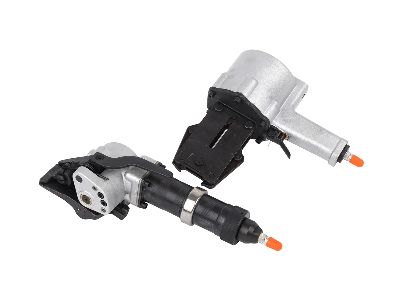
Understanding the true cost of inefficiency when sourcing a hand strapping solution is critical for businesses looking to optimize their packaging processes. Hand strapping solutions play a vital role in securing goods during transit, and any inefficiency in this area can lead to increased costs, delays, and potential damage to products. This article will explore key considerations for sourcing hand strapping solutions, helping purchasing managers and engineers make informed decisions that align with their operational needs.
What to Consider When Choosing a Hand Strapping Solution?
When selecting a hand strapping solution, buyers should consider several factors that directly impact performance and cost-effectiveness. First, the material type is crucial; polypropylene (PP) and polyethylene terephthalate (PET) are common options, each offering unique benefits. For instance, PP strapping is often lighter and more flexible, making it suitable for lighter loads, while PET strapping provides superior strength and is ideal for heavier, more demanding applications. Additionally, dimensions such as width and thickness must align with the specific application requirements. Strapping that is too thin may not hold securely, while overly thick strapping can be cumbersome and unnecessarily expensive. Buyers should also evaluate the strapping's tensile strength, as this determines how much load the hand strapping machine price can withstand without breaking. Another important consideration is the packaging method. Some hand strapping solutions come in rolls, while others may be pre-cut for convenience. Finally, it’s essential to assess the supplier's manufacturing capabilities, including their quality control processes and customization options, to ensure consistent performance and reliability.
How to Evaluate the Quality of Hand Strapping Materials?
Quality evaluation begins with understanding the composition of the strapping material. Buyers should look for strapping made from high-quality recycled materials, which can provide excellent performance while being environmentally responsible. For example, Enjoy Packaging specializes in manufacturing strapping rolls from recycled bottle flakes, ensuring durability without compromising on quality. Next, buyers should examine the manufacturing process. Advanced production lines that utilize continuous inspection processes are critical for maintaining quality standards. Requesting samples from suppliers can provide hand strapping machine price insight into the product's appearance and performance. Finally, consider any relevant certifications or compliance with industry standards. This can include strength testing, UV resistance, or other specific criteria that may be crucial for your application.
Common Problems with Inefficient Hand Strapping Solutions
Inefficiencies in hand strapping can lead to a variety of problems that impact the supply chain. One common issue is insufficient tensile strength. Strapping that fails under load can result in damaged goods, increased return rates, and customer dissatisfaction. Additionally, improper strapping techniques can lead to inconsistent application, causing some packages to be inadequately secured while others are over-strapped, leading to wasted materials.
Another problem is the use of inferior materials that may degrade over time, especially when exposed to environmental factors such as moisture or UV light. This degradation can compromise the integrity of the strapping leading to failures during transit. Lastly, a lack of training or incorrect use of strapping tools can further exacerbate inefficiencies. Investing in proper training for staff can minimize these issues by ensuring that everyone involved in the packaging process understands how to use the equipment effectively.
Technical Specifications to Compare in Hand Strapping Products
When comparing hand strapping products, there are several technical specifications that should be closely examined:
Tensile Strength: This indicates the maximum load the strapping can handle before breaking, which is essential for ensuring that the goods remain secure during transit.
Thickness and Width: Strapping should be chosen based on the specific application. Thicker strapping may be necessary for heavier loads, while lighter loads may require thinner strapping.
Elongation: This measures how much the strapping can stretch before breaking. Lower elongation is often preferred for a more secure hold.
Weather Resistance: Depending on the shipping conditions, resistance to moisture, UV rays and temperature variations may be crucial for maintaining the strapping's integrity.
Compatibility with Tools: Ensure that the strapping is compatible with existing strapping tools to avoid operational disruptions.
Understanding these specifications allows buyers to make informed comparisons between products, ensuring that they select a strapping solution that meets their operational needs.
Applications for Hand Strapping in Various Industries
Hand strapping is versatile and can be utilized across various industries, each with specific requirements. In the packaging industry, strapping is essential for securing boxes and pallets for shipping. In the construction sector, strapping can help bundle materials like lumber or roofing tiles for transport. The food and beverage industry often uses hand strapping to secure pallets of goods, ensuring that products remain intact throughout the supply chain. Additionally, in the manufacturing sector, strapping is vital for organizing and securing components during shipping to prevent damage.
Furthermore, industries that focus on sustainability may prefer strapping solutions made from recycled materials, aligning their operations with eco-friendly practices. This not only meets customer expectations but can also enhance a company's reputation in the market. understanding the true cost of inefficiency when sourcing a hand strapping machine solution involves careful consideration of materials, specifications, and application suitability. By evaluating these factors and selecting a reliable supplier, businesses can optimize their packaging processes and reduce the risk of costly inefficiencies.